

Article: Women's shaping bodysuit: how to choose the right one?

Women's shaping bodysuit: how to choose the right one?
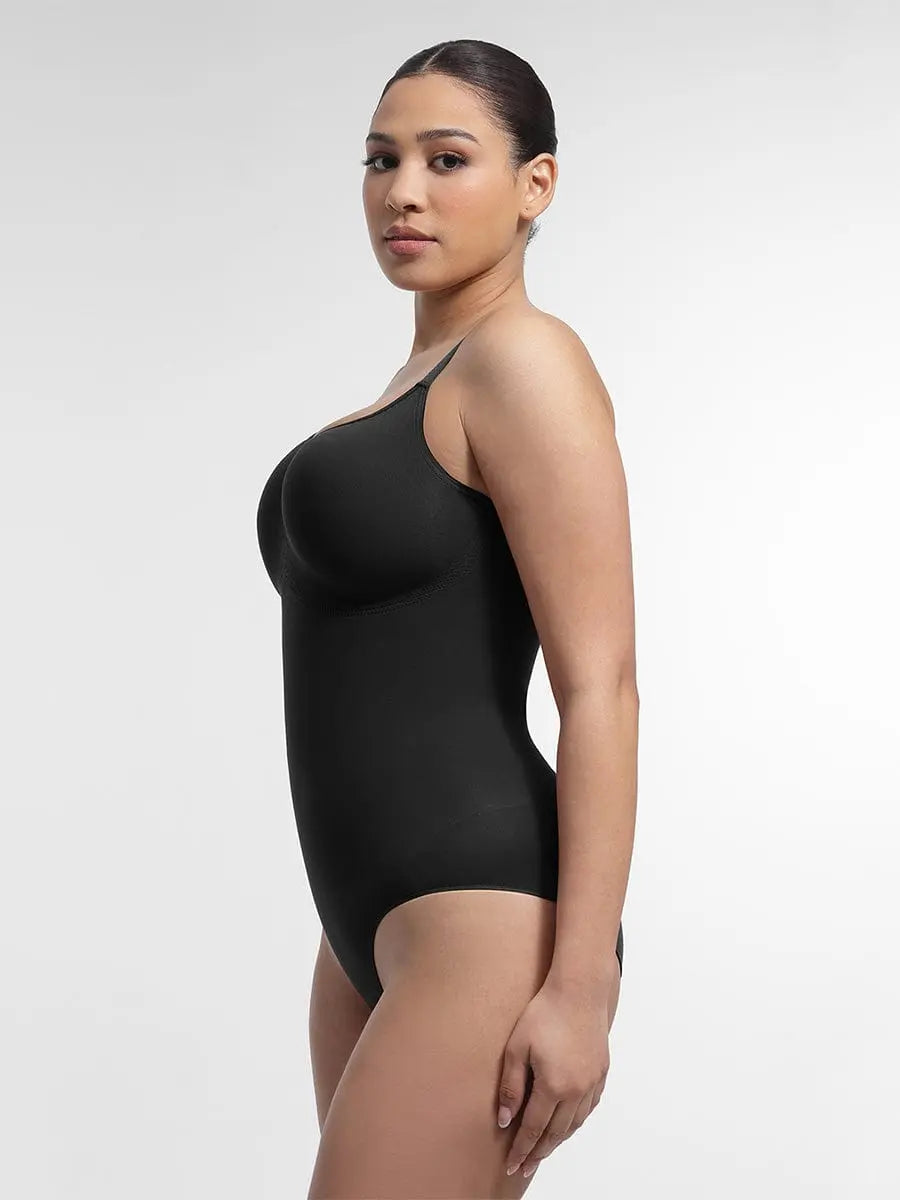
A sheath dress, flowing trousers that cling, a satin evening outfit: some pieces reveal the slightest mark. A shaping bodysuit smooths the torso, waist, hips, and thighs in one piece, without the lines created by wearing a bra, shapewear, and panties separately.
But not all bodysuits are created equal, and choosing the wrong size or compression level can quickly undermine comfort. This guide helps you understand what this garment can do, identify the criteria that matter, and pair it with your outfits.
What a shaping bodysuit can (and can’t) do
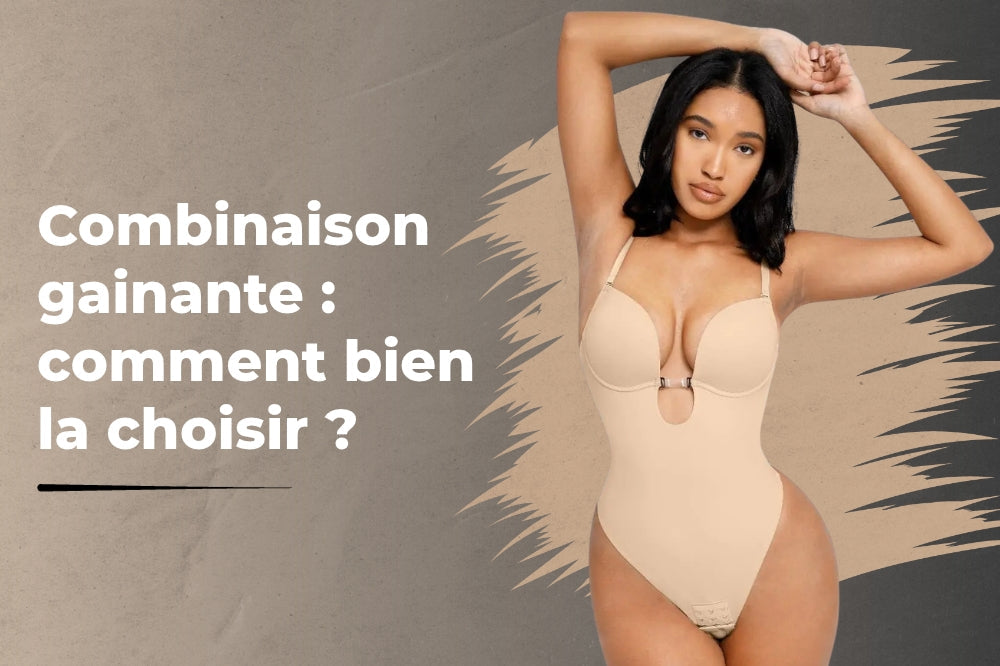
A shaping bodysuit is an undergarment that covers the torso and extends to the thighs, sometimes down to the knees. It offers three benefits:
-
It smooths contours, preventing folds and bra or garment lines from showing under close-fitting fabric
-
It supports the waist, stomach, and hips with reinforced panels
-
It creates a smooth line from the torso to the thighs while you wear it
Let’s be clear: a bodysuit won’t make you lose weight or permanently change your body. The effect is visual, immediate, and temporary. Be wary of any promises to “melt away” fat. A good garment simply helps you feel comfortable in your outfits.
The different types of styles
The full bodysuit
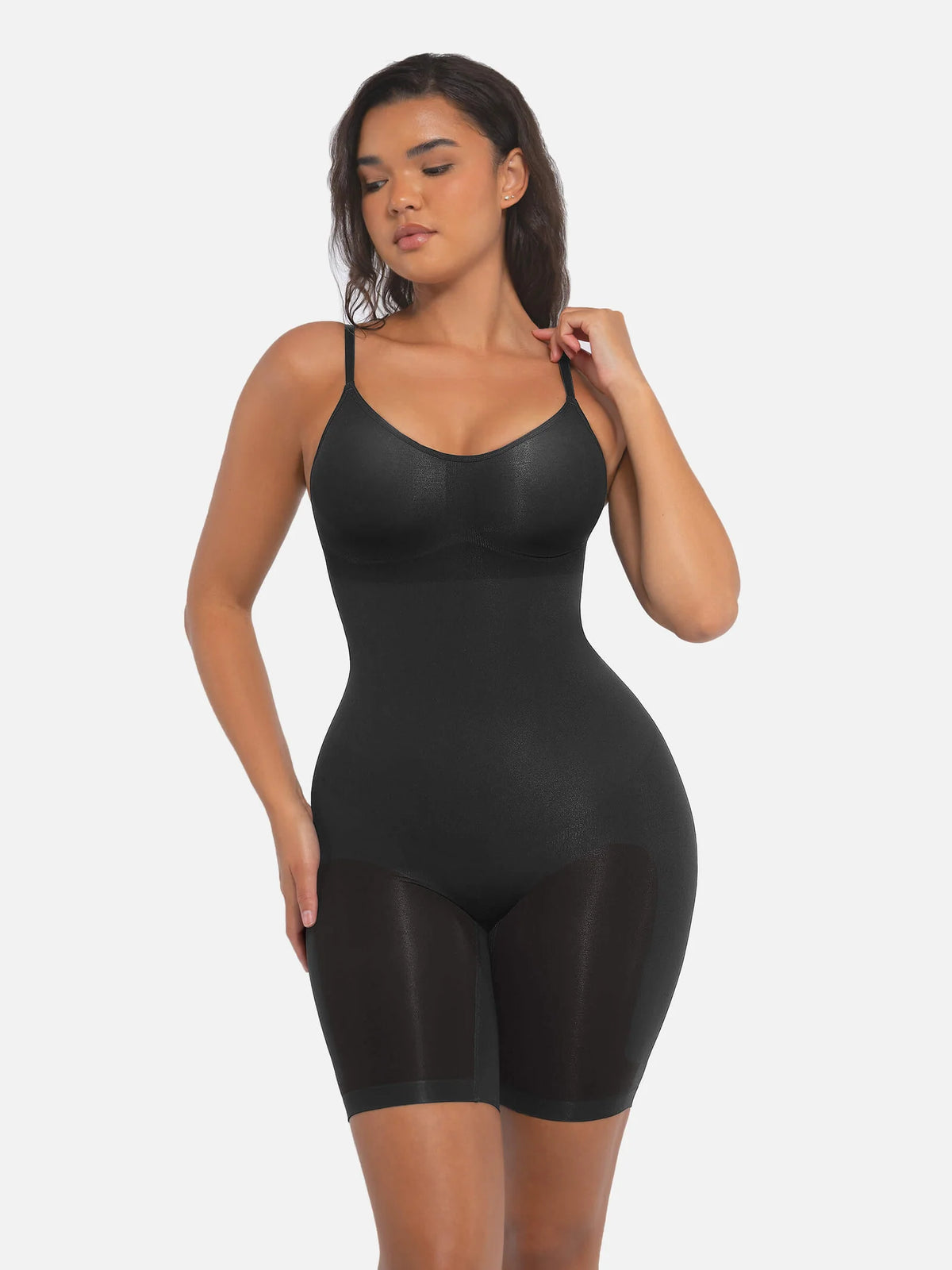
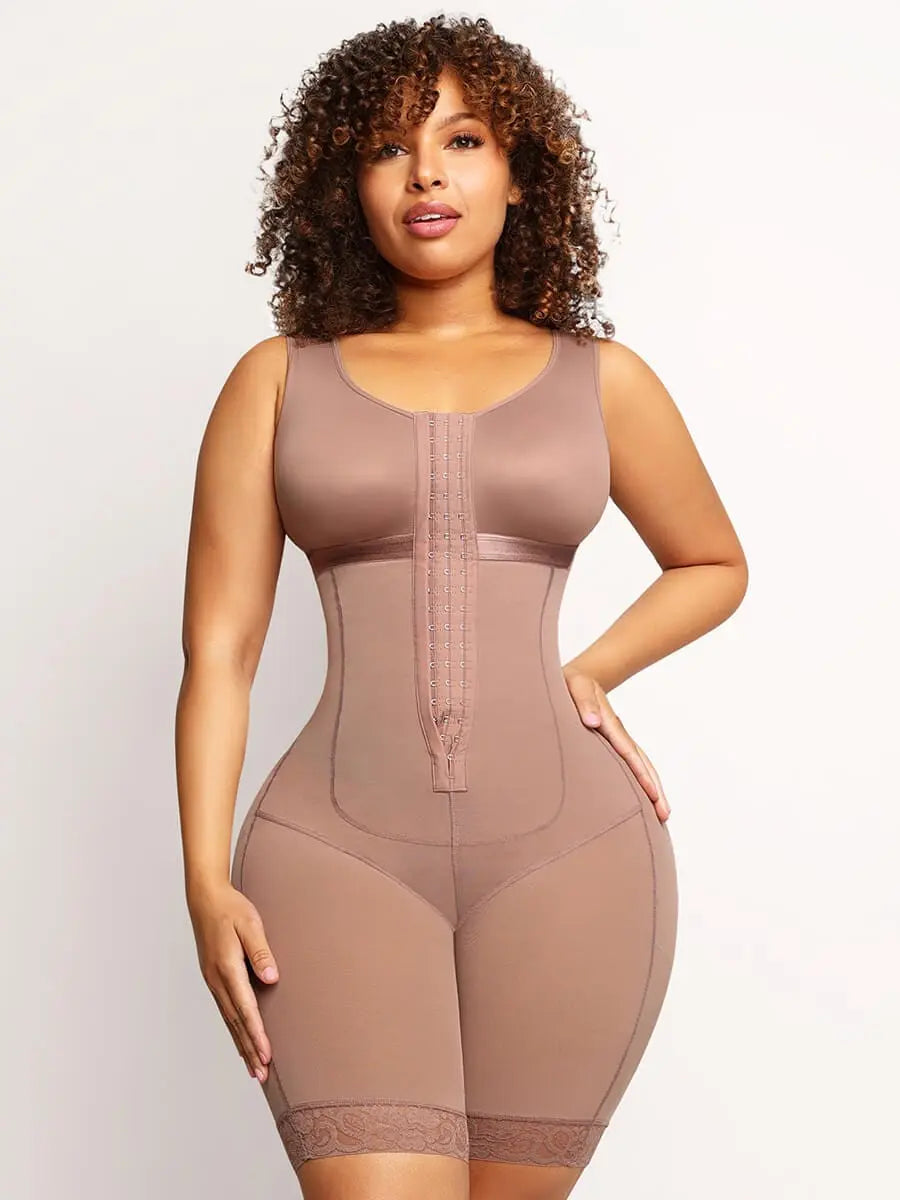
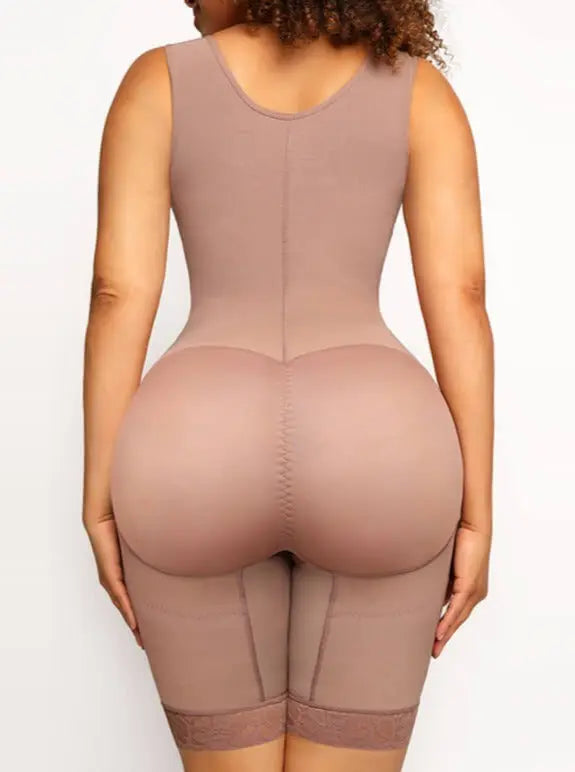
It covers the torso, waist, hips, and thighs in a single garment. A shaping bodysuit for women of this type works well under figure-hugging dresses, as it eliminates any visible line at the waist or upper thighs. It’s the most comprehensive option, but also the most involved to wear for long periods.
The mid-thigh bodysuit
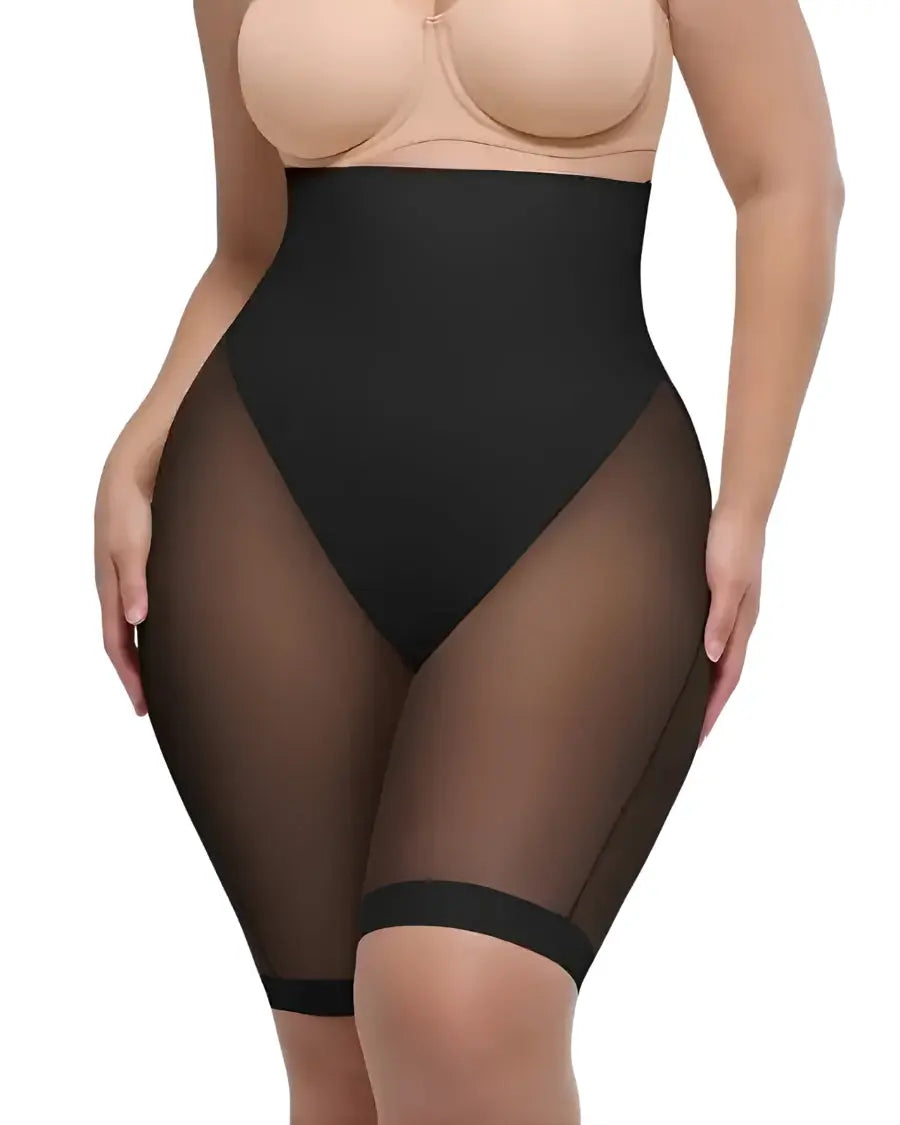
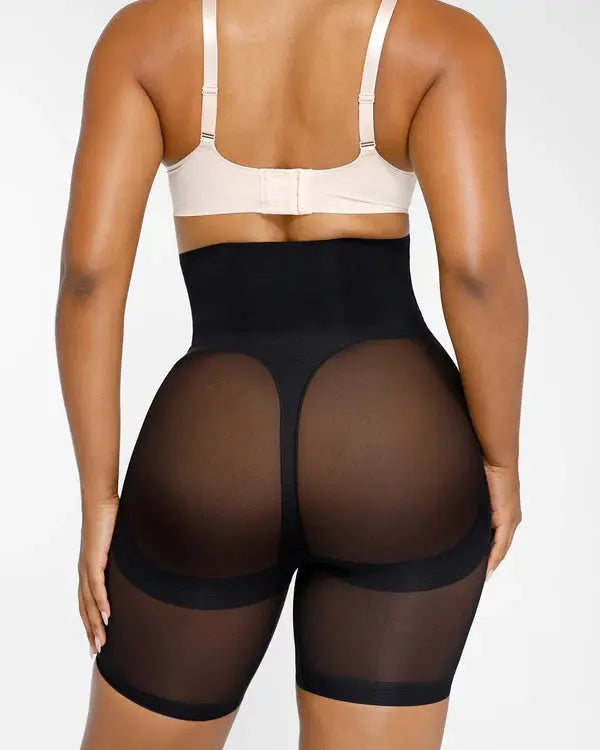
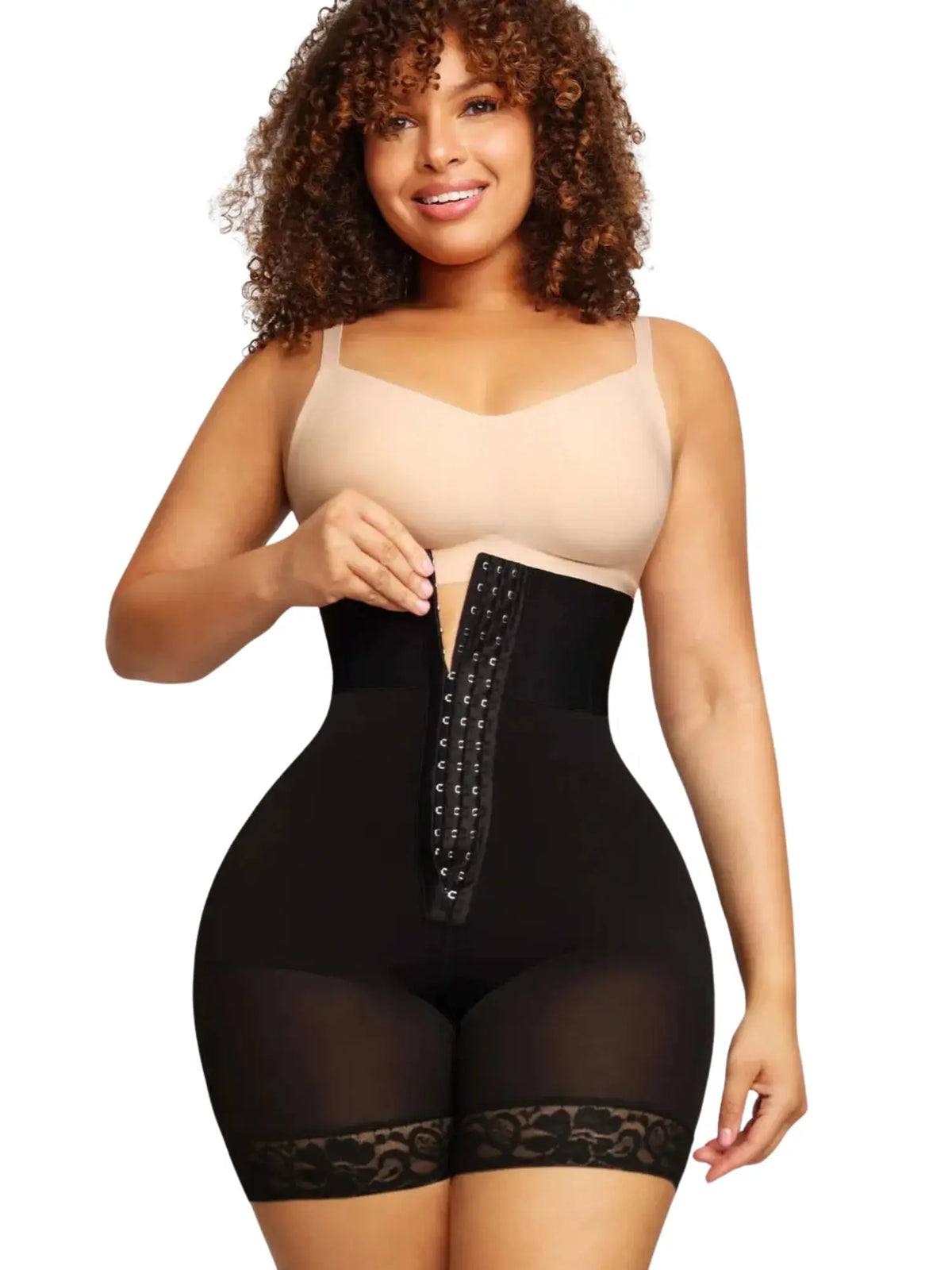
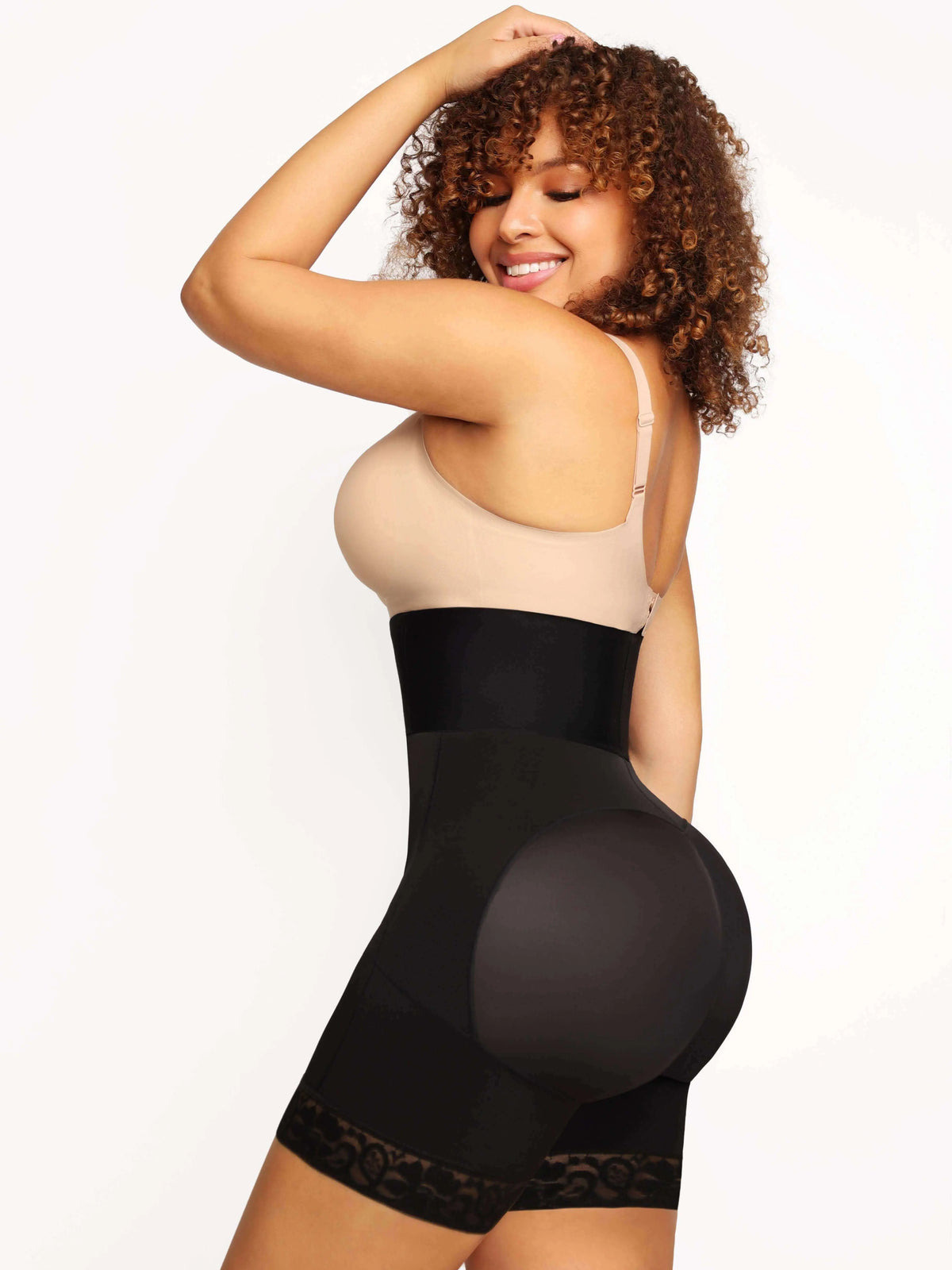
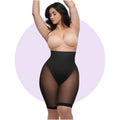
It ends at mid-thigh. It’s the most versatile style: it smooths the hips and upper thighs and stays discreet under skirts and dresses.
The long bodysuit, down to the knees
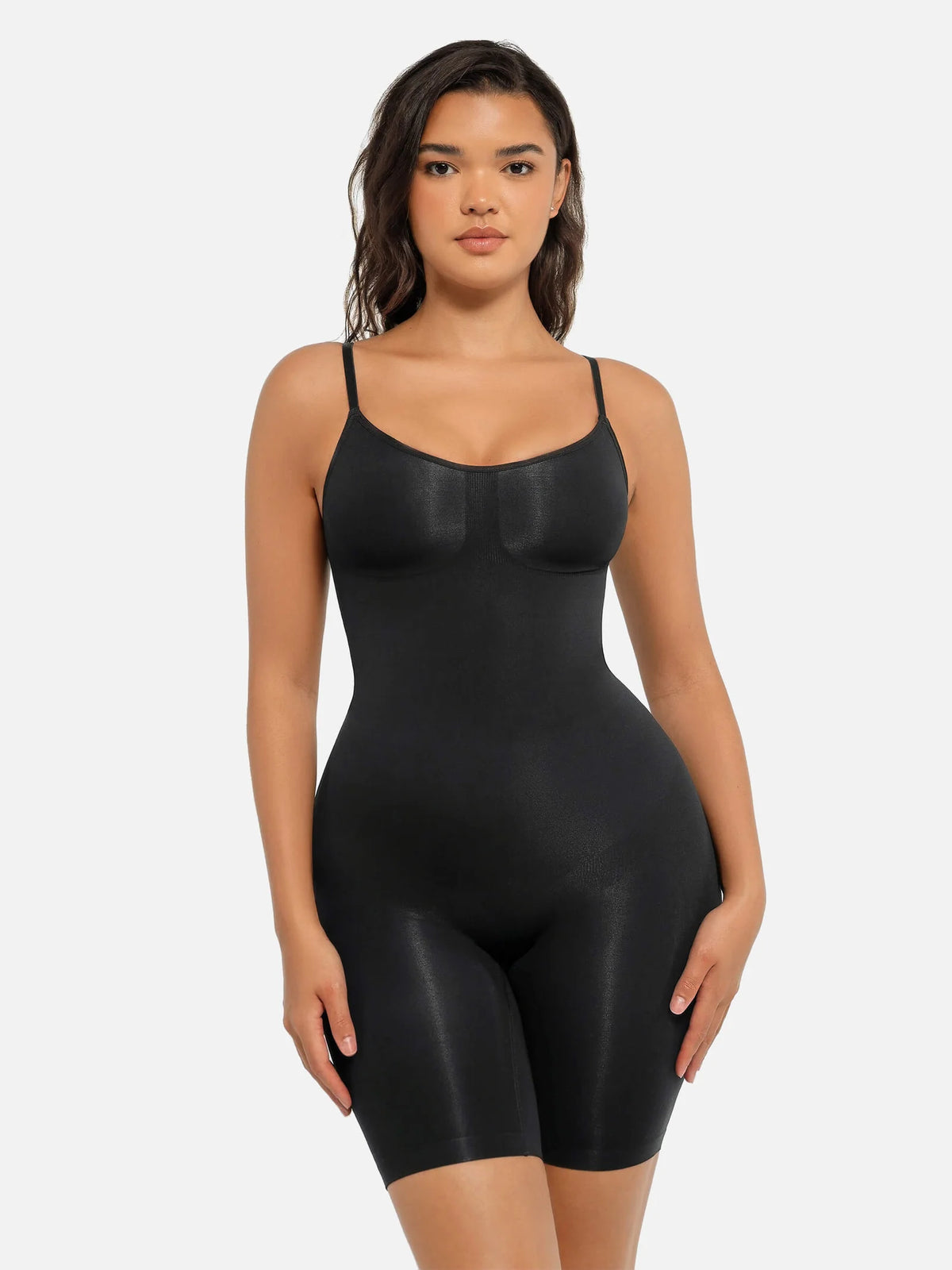
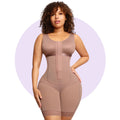
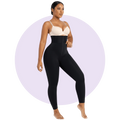
It smooths the entire leg down to the knees. It’s useful under a fitted dress or pencil skirt when you want a perfectly smooth line.
The seamless style
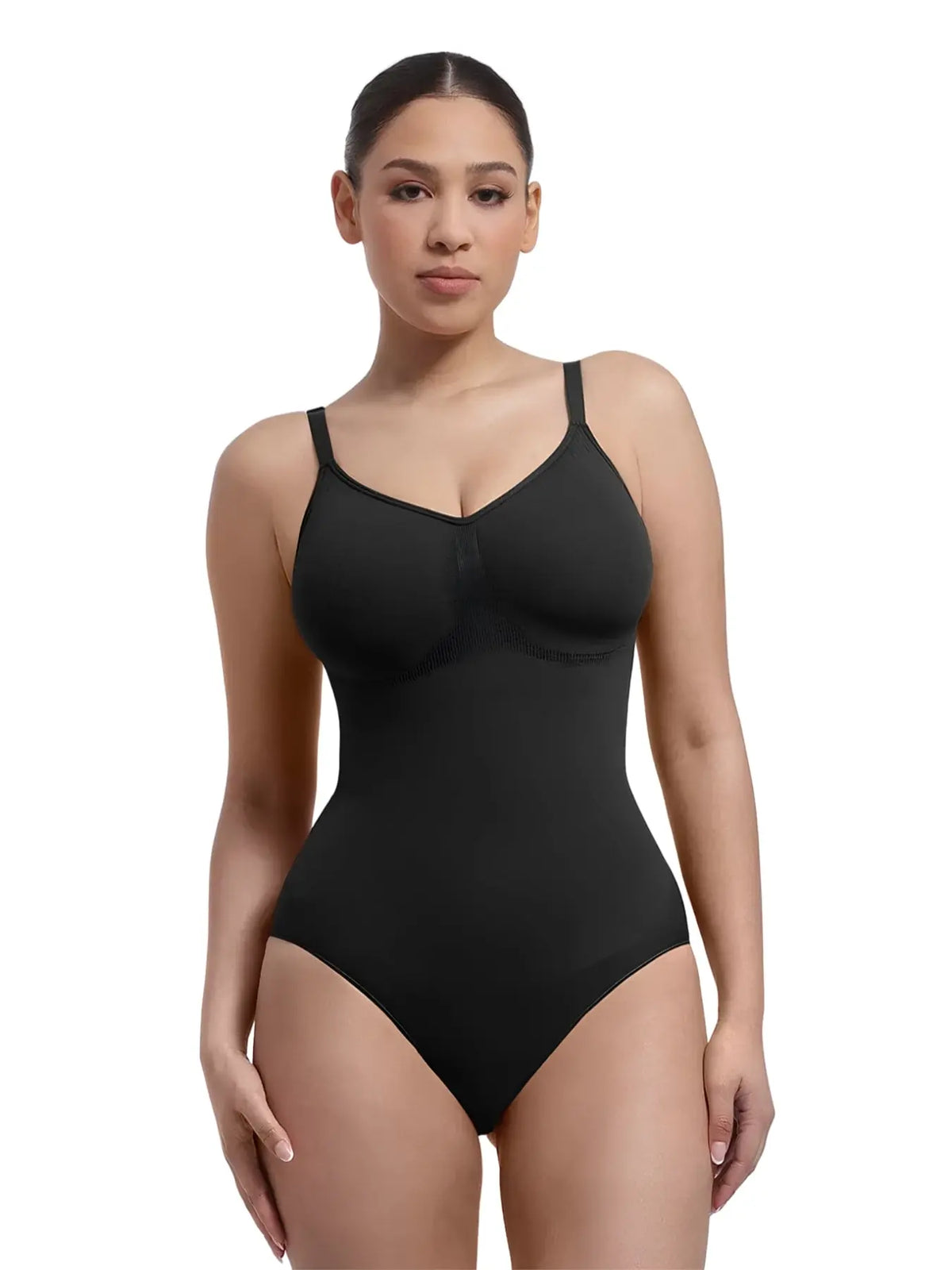
Thin and with no extra bulk, it disappears under the finest fabrics. It’s often the best choice for regular wear.
The 6 criteria for choosing the right one
1. Size
This is the most common mistake: choosing a smaller size for “more effect.” The result: the bodysuit rolls up, digs into your skin, and shows under your clothes. Measure your bust, waist, hips, and thighs, then follow the brand’s size guide. If in doubt, choose the size that lets you breathe and move freely.
2. Compression level
There are generally three levels: light, medium, and firm. Light to medium compression is suitable for a workday. For an evening out lasting a few hours, firmer compression, like that of a high-compression shapewear bodysuit, smooths more. The test is simple: if you’re counting the minutes until you can take it off, it’s too tight.
3. Fabric
Look for a soft, stretchy, breathable fabric with a good amount of elastane. It should hold its shape after many washes. Thick, poorly ventilated fabrics quickly become uncomfortable in summer.
4. Finishing
Flat, laser-cut or bonded edges prevent marks on the thighs, back, and under the bust. The finer the finish, the less you’ll notice the garment.
5. Practicality
A snap or hook-and-eye gusset, adjustable straps, and an easy bathroom break system: these details matter most when wearing it for long hours. A style that’s impossible to take off quickly soon becomes a hassle.
6. Color
Under light-colored clothing, choose a shade close to your skin tone rather than white, which is more noticeable. Black is still the most practical choice under dark outfits.
And what about plus sizes?
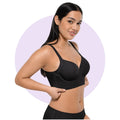
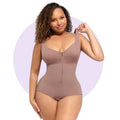
Curvy figures need cuts designed to fit, not just larger sizes. When choosing plus-size women’s shapewear, check three things: well-distributed support panels to prevent bulges at the edges, wide adjustable straps, and a comfortable gusset that doesn’t chafe.
Also choose four-way stretch fabrics and wide edges that don’t dig into your skin. The right size smooths much better than a size too small that squeezes you.
And what about sports?
The question comes up often: can you wear shaping underwear while working out? It’s important to distinguish between two things. Shapewear is designed to be worn under clothes, not for exercise: it traps heat and can restrict your breathing.
A women's shaping sports bodysuit, on the other hand, is a technical garment designed to wick away moisture and move with you while providing comfortable support. If that's what you're looking for, choose a breathable, quick-drying fabric and avoid strong compression during exercise. If in doubt, ask a healthcare professional or your coach for advice.
Which full-body shaper should you wear with each outfit?
-
Fitted or evening dress: a style with a smooth back and removable or transparent straps, depending on the neckline
-
Knit or satin dress: a seamless style in a shade close to your skin tone
-
Pencil skirt: a mid-thigh or knee-length style for a seamless line
-
Light-colored trousers: a thin style in a shade close to your skin tone
-
Backless dress: a style designed for a low back, which you should check before buying
Full-body shaper, bodysuit, or shapewear: how do you choose?
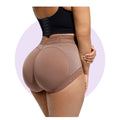
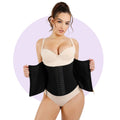
A bodysuit isn't always the best solution. A shaping bodysuit smooths your torso down to your hips and is enough under trousers or a long skirt. Shapewear or shaping briefs are suitable when you're only concerned about your waist or hips. A full-body shaper is ideal when your thighs are also a factor, for example under a close-fitting dress.
Start with your outfits: the tighter and shorter the outer garment, the more useful a long garment will be.
Mistakes to avoid
Choose a size that's too small: It will show, feel uncomfortable, and may make it harder to breathe and digest.
Wear it all day with strong compression: Limit wear to a few hours and choose gentle support for everyday use.
Expect a miracle: No garment can replace diet, physical activity, or time.
Ignore your body's signals: Deep marks, numbness, tingling in your legs, or persistent discomfort mean you need to change the size or style. Take it off right away.
Care for it incorrectly: Hand-wash or use a delicate cycle at 30 °C in a mesh laundry bag, without fabric softener. Lay flat to dry: the tumble dryer damages elastane.
If you have circulation problems, sensitive skin, are pregnant, or have recently had surgery, ask a healthcare professional for advice before wearing a compression garment.
How do you check the fit?
-
Take a deep breath: you should be able to breathe in without feeling constricted.
-
Sit down: nothing should ride up or dig into your stomach or thighs.
-
Bend over and raise your arms: nothing should roll down or slip.
-
Check the edges: no marks should appear on your thighs, back, or under your bust.
-
Put your outfit on over it: no extra bulk should show.
Make your shapewear last
Rotate two or three pieces to give the fibers time to regain their shape. Wash them regularly to remove perspiration, which wears down elastane, and store them flat. When they start to lose their stretch, it’s time to replace them.
Key takeaways
A good women’s shapewear bodysuit has four key features: the right size, a level of compression suited to the occasion, breathable fabric, and invisible finishes. Try it on with the outfit you plan to wear, then move around, sit down, and breathe: a good style should feel like you’re not wearing it.
FAQ: Choosing a shapewear bodysuit
Does a shapewear bodysuit make you lose weight?
No. It smooths and supports your silhouette while you wear it, but it won’t make you lose weight or fat. The effect is visual and disappears when you take it off.
What’s the difference between a bodysuit, a shapewear bodysuit, and shapewear briefs?
A bodysuit smooths your torso down to your hips. Shapewear briefs mainly target the waist and abdomen. A bodysuit with shorts also covers the thighs, and sometimes the knees, creating a continuous line under a fitted dress.
What level of compression should you choose?
Light to medium compression is suitable for everyday wear. Firmer compression is best limited to a few hours, for an evening out or a special occasion. If the style makes it hard to breathe, it’s too tight.
How do you choose the right size?
Measure your bust, waist, hips, and thighs, then follow the brand’s size guide. If you’re between sizes, choose the one that lets you breathe and move without the fabric rolling or digging into your skin.
Does a shapewear bodysuit show under clothing?
Not if it has flat edges or is seamless. Under light-colored clothing, choose a shade close to your skin tone rather than white.
Can you wear it every day?
Yes, with light to medium compression, breathable fabric, and the right size. For firmer styles, limit wear to a few hours.
Can you exercise in a shapewear bodysuit?
Shapewear lingerie isn’t designed for exercise. For sports, choose breathable, quick-drying technical clothing with comfortable support.
How do you care for a shapewear bodysuit?
Hand-wash it or wash it on a delicate cycle at 30 °C in a laundry bag, without fabric softener. Dry it flat, away from heat.