

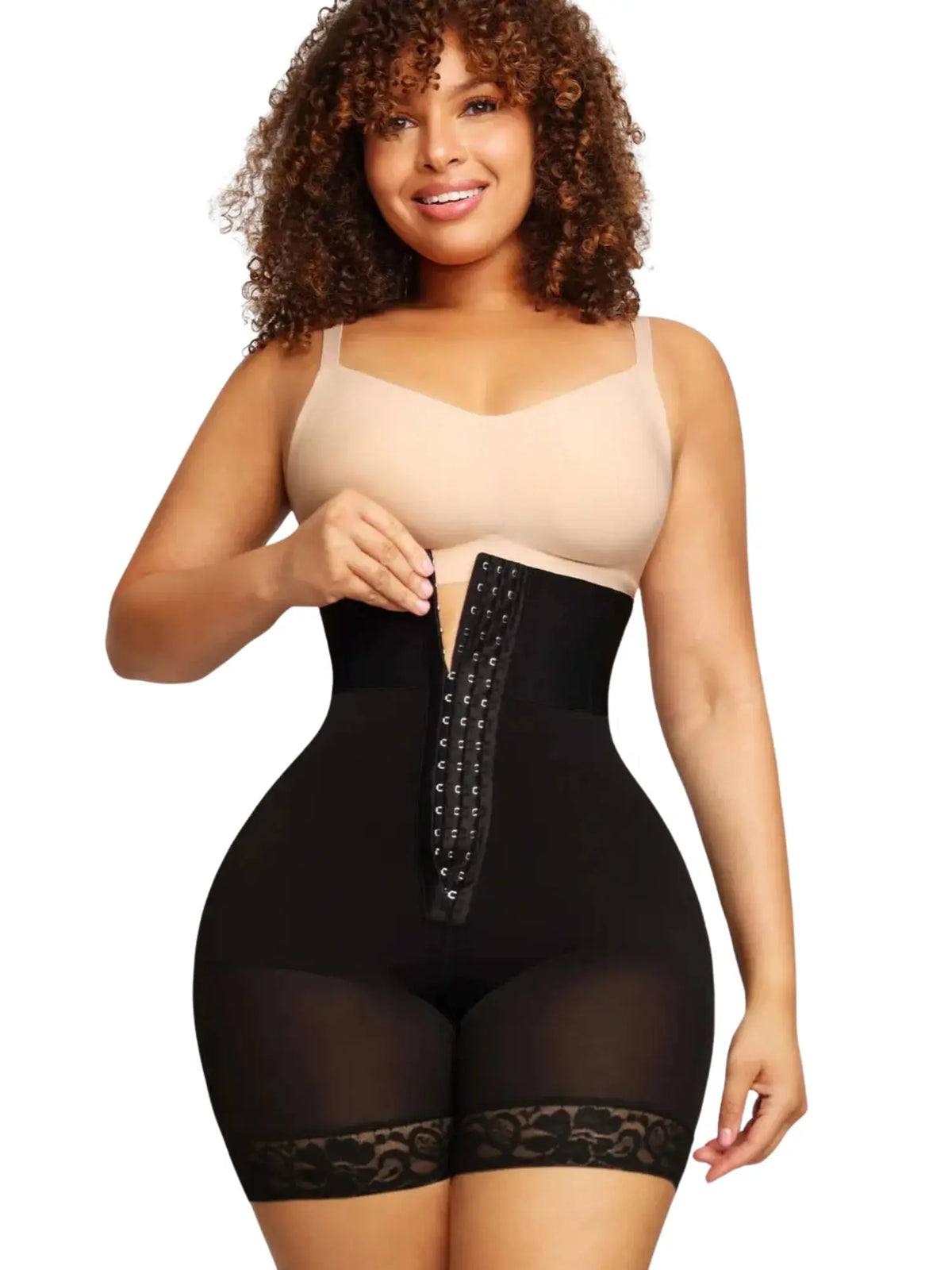
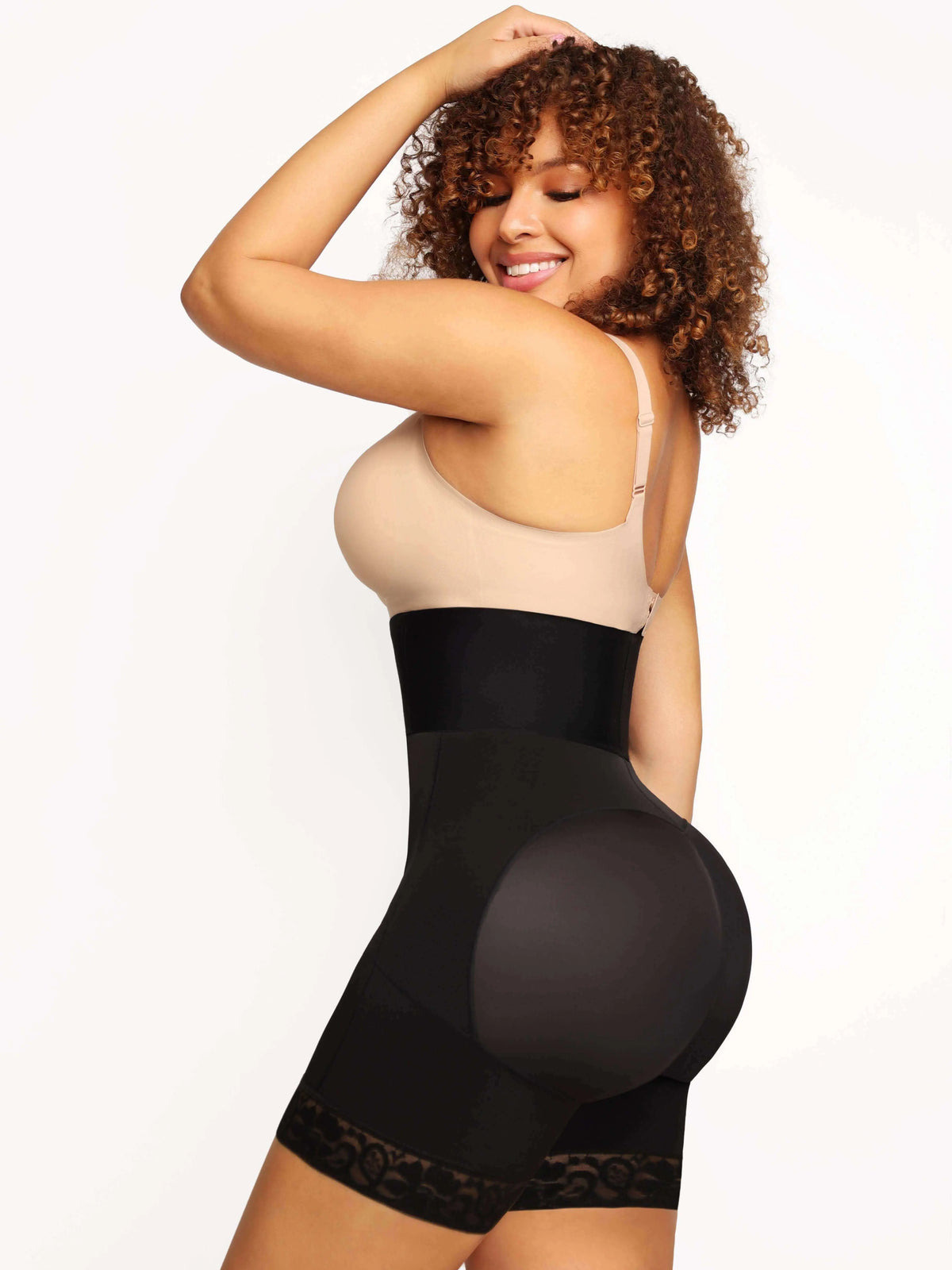
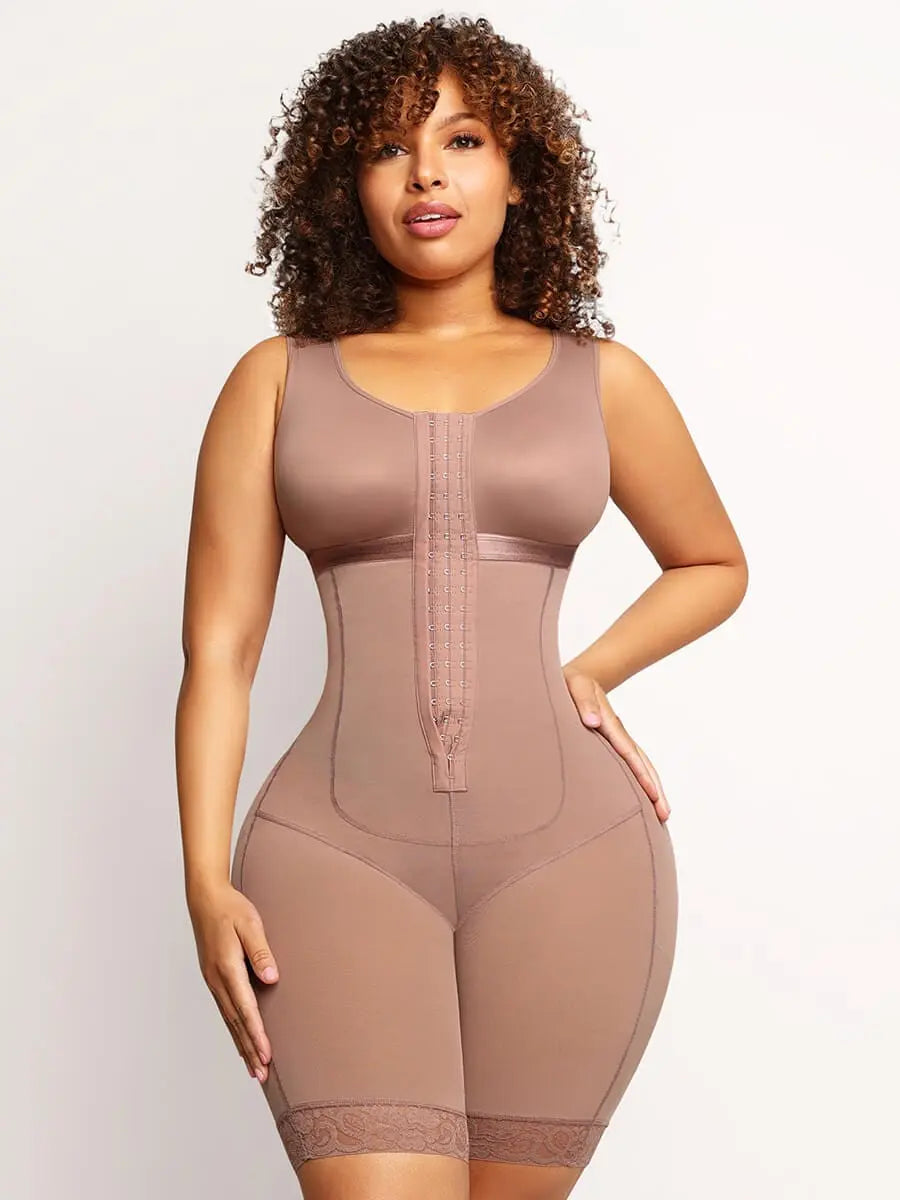
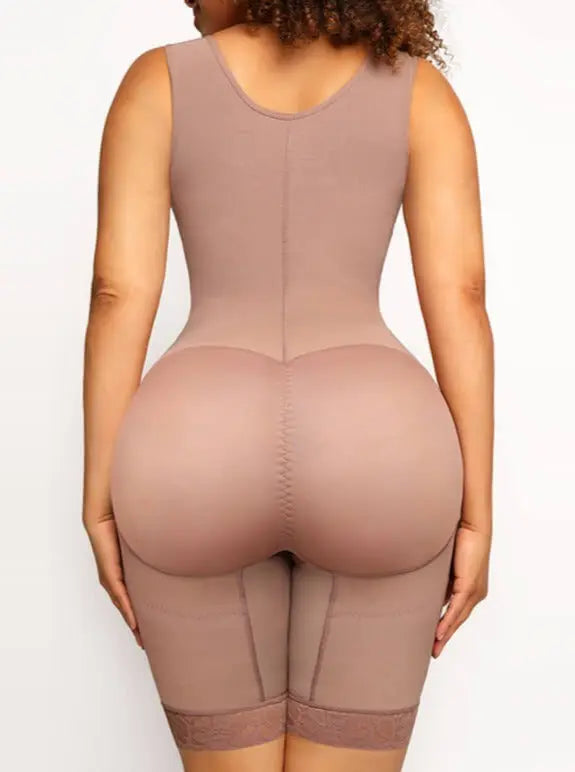



I wore a waist trainer every day for a month: here’s the harsh truth (and what you need to know in 2026)
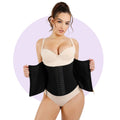
The idea of wearing a waist trainer every day has been on your mind. You imagine an instantly smoothed silhouette, renewed confidence in your favorite clothes, and perhaps even, secretly, lasting loss of inches. On social media, influencers tout the benefits of daily "waist training," backed by before-and-after photos. The promise is appealing: a small clothing-related effort for a major aesthetic result. But behind the marketing and perfect images, what is the reality?
Let's be clear: this is a legitimate question. You're looking for a solution to feel better in your body, here and now. You may not have the time, desire, or energy to embark on a drastic diet or an intensive exercise program. A waist trainer may seem like a magic shortcut. But as with anything that seems too good to be true, it's crucial to ask the right questions. Is it safe? What are the real benefits? And above all, does it really work?
This article isn't here to sell you a dream. It's here to give you the straight facts. Together, we'll break down, without the bullshit, the pros and cons of wearing a waist trainer every day. We'll talk about the immediate effects, potential dangers, healthier alternatives, and the right way to use shapewear so it can be your ally, not your enemy. By the end of this article, you'll have a clear and honest perspective to decide whether this practice is right for you in 2026.
Verdict in 30 seconds
- Immediate, not permanent, effect: A waist trainer instantly shapes your figure under your clothes, but it does not make you lose weight or permanently change your body.
- Comfort is non-negotiable: Wearing a waist trainer every day is ONLY advisable if it is the right size, made from breathable fabric, and you feel no pain.
- Limit the duration: It is strongly recommended not to wear it for more than 8 hours a day. NEVER sleep in it.
- Beware of the risks: A waist trainer that is too tight or worn for too long can cause circulation and digestion problems, skin irritation, and weaken your deep core muscles.
- The best solution is a combination: Shapewear is a powerful tool for confidence, but it should be combined with a more comprehensive approach (nutrition, strengthening the transverse abdominis) for lasting results.
1) Why this obsession with wearing shapewear every day?

The desire to wear shapewear every day does not come out of nowhere. It is a symptom of immense social and personal pressure. On the one hand, images of "perfect" bodies, smooth and without a gram of fat, flood our screens. On the other, there is real life: weight fluctuations, bloating, post-pregnancy changes, lack of time for exercise... This dissonance creates frustration and a desire for a quick solution.
Shapewear then appears to be the ideal solution. It promises to instantly erase the insecurities that make your life difficult. That little bulge stopping you from buttoning up your favorite jeans? Gone. That slightly soft belly visible under a form-fitting dress? Smoothed out. Shapewear acts like an Instagram filter for real life. It gives you immediate control over an appearance you feel you no longer have control over.
Beyond the purely aesthetic aspect, there is a powerful psychological dimension. Putting on shapewear can be a ritual that gives you confidence. It is a kind of armor that makes you feel stronger, stand straighter, and look more "presentable" to the world (and, above all, in your own eyes). The problem arises when this tool becomes an indispensable crutch, and the idea of going out without it paralyzes you. That is when the line between occasional support and dependence becomes blurred.
2) The real reasons behind a figure you are trying to hide
Before trying to conceal it, it is essential to understand it. What you perceive as a "flaw" has very real causes, and most have nothing to do with a lack of willpower. Blaming your body is a waste of time. The real question is: what mechanisms are at work?
The primary cause, and the most underestimated, is lack of tone in the deep core muscles. We often think of the "six-pack" (the rectus abdominis), but the key muscle for a flat stomach is the transversus abdominis. It's your natural girdle! If it is relaxed (which is common after pregnancy or due to poor sedentary posture), your stomach tends to protrude, even if you're slim. No external girdle can replace this muscle's function.
Then there are hormonal and digestive factors. Bloating, water retention, irregular bowel movements... all of this can make your waist circumference vary by several centimeters over the course of a single day. These phenomena are often linked to stress, an unsuitable diet (too much salt, too much sugar, not enough fiber), or hormonal cycles. Trying to compress a bloated stomach with shapewear is like putting a lid on an overflowing pot: it doesn't address the problem at its source.
Finally, skin quality and fat distribution play a major role. After significant weight loss or pregnancy, the skin may lose some of its elasticity. Genetics, meanwhile, determines where your body stores fat first. For some, it will be the stomach; for others, the hips or thighs. It's a lottery over which we have little control. Accepting this biological factor is a crucial step toward taking a healthier approach.
3) Long-term strategies (the ones that really work over time)
Okay, here's the uncomfortable truth: there is no miracle solution. But there are smart strategies that deliver lasting results, far more satisfying than simply hiding the problem. The goal isn't perfection, but your body's well-being and functionality.
1. An anti-inflammatory, anti-bloating diet: Rather than counting calories, focus on quality. Increase your intake of fiber (vegetables, fruit, legumes), healthy fats (avocado, nuts, seeds, and quality vegetable oils), and protein. Drastically reduce refined sugar, ultra-processed foods, and excess salt, which promote inflammation and water retention. Drink plenty of water, and consider fennel or peppermint herbal teas to aid digestion.
2. Hydration, your secret weapon: It may seem counterintuitive, but to combat water retention, you need to drink water. When your body is dehydrated, it clings to the little water it has, causing swelling. Aim for at least 1.5 to 2 liters of water per day. This is the foundation of everything.
3. Stress management: Cortisol, the stress hormone, is directly linked to abdominal fat storage. You can try every diet in the world, but if you're chronically stressed, your stomach will remain a concern. Find YOUR way to unwind: walking in nature, meditation, yoga, reading, a simple hot bath... It doesn't matter what it is, as long as it helps you disconnect and reduce the pressure.
4) How to activate your "natural core support" with the right exercises

Forget hundreds of crunches. Not only are they ineffective for achieving a flat stomach, but they can even be counterproductive by pushing the organs downward and damaging the pelvic floor. To awaken your natural core support, the famous transverse abdominis, you need to work deeply and intelligently.
The ultimate exercise: the Stomach Vacuum. This is the foundation of hypopressive exercises. In the morning on an empty stomach, standing or on all fours, completely empty your lungs. Then, without inhaling again, "draw" your navel toward your spine, as if you wanted to press it against the back of your body. Pull your stomach in as far as possible. Hold the position for 10 to 15 seconds, then gently release. Repeat 5 to 10 times. Practiced daily, this exercise is highly effective for toning the transverse abdominis and reducing waist circumference.
Core exercises in all their forms: The plank (on your elbows or hands) is a classic, but make sure you do it correctly. Your back should be straight, your hips shouldn't rise, and above all, you should actively contract your abs and pelvic floor (imagine you're holding back urine). Think "quality" before "quantity". 30 seconds held properly are better than 2 minutes done poorly. Vary your routine with side planks to target the obliques.
The Bird-Dog: On all fours, simultaneously extend your right arm in front of you and your left leg behind you, keeping your back perfectly flat (imagine a glass of water resting on your lower back). The goal isn't to lift high, but to reach far, lengthening your spine. Return to the starting position with control, then switch sides. This exercise is excellent for core stability and coordination, without putting any pressure on the pelvic floor.
5) What are the actual effects of daily shapewear on the body?
Now that the foundation is laid, let's talk about the effects of daily shapewear. What concrete and immediate benefits can you expect from wearing shapewear every day? It's important to separate fact from fantasy.
The first and most obvious effect is an instant improvement in your silhouette. A good shaping garment will smooth the stomach, minimize love handles, define the waist, and sometimes even lift the buttocks. Under a fitted dress, high-waisted jeans, or office attire, the difference is undeniable. Clothes fit better, and the overall line looks cleaner. It is purely a cosmetic effect, but its impact on self-confidence can be enormous. It is the number-one argument, and it is valid.
The second effect is postural support. By applying compression to your torso, the garment encourages you to stand straighter. It acts as a constant reminder not to slouch. For those who spend hours sitting at a desk, this can help relieve certain lower back pains and promote better posture. This benefit is often overlooked but highly valuable in everyday life.
Finally, there is an effect of "body awareness". Feeling the garment's slight pressure can make you more aware of your hunger and fullness cues. It is physically more difficult to overeat when your abdomen is supported. Some women find that this helps them regulate their portions. Be careful: this is not a tool to stop yourself from eating, but rather a guide to eating more mindfully and in tune with your body. Models such as the BESHAP AirSlim® shaping shorts, for example, are designed to provide this support without a feeling of suffocation, making them ideal for everyday wear.
6) Slimming garment: what are the dangers of wearing it too often?

This is the most important question. Addressing the issue of the slimming garment and its potential danger is crucial. Improper use can turn this trusted ally into a genuine health problem. The key, as always, is moderation and choosing a quality product.
The main danger comes from excessive compression. A garment that is too tight can restrict blood circulation, causing numbness, varicose veins, or tingling in the legs. It can also compress your internal organs, leading to acid reflux, heartburn, and digestive problems. If you have trouble breathing deeply, that is an immediate warning sign: your garment is much too small.
Another risk is the weakening of your postural muscles. If you wear a waist trainer 12 hours a day, 7 days a week, your abdominal and lower-back muscles no longer need to work to maintain your posture. They become "lazy." Over time, instead of strengthening your core, you weaken it. That is why it is vital to continue doing strengthening exercises (like those discussed above) and not to wear the waist trainer continuously.
Finally, there are dermatological problems. Poor-quality, non-breathable fabric worn directly against the skin for hours is an ideal breeding ground for bacteria and fungi. Irritation, redness, pimples, and fungal infections are common consequences. That is why investing in a waist trainer made from modern, breathable, hypoallergenic materials is essential if you plan to wear one regularly. BESHAP products, for example, use technical textiles designed to wick away moisture and let the skin breathe, thereby minimizing these risks.
7) Wearing a waist trainer: how long per day is reasonable?
The million-dollar question: how long can you safely wear a waist trainer each day? There is no single answer set in stone, as it depends on your body, your activity, and above all, the quality and compression of your waist trainer. But there are common-sense guidelines that you should follow.
The golden rule, shared by most healthcare professionals and reputable brands, is not to exceed 8 consecutive hours of wear. This generally corresponds to a workday. This amount of time allows you to benefit from the aesthetic and postural advantages without putting your body under prolonged stress. Beyond that, the risks of compression and muscle weakening increase exponentially.
It is absolutely forbidden to sleep in a waist trainer. During sleep, your body needs freedom to breathe deeply, for your organs to function without restriction, and for your lymphatic system to do its cleansing work. Wearing a waist trainer at night is the best way to expose yourself to all the dangers mentioned above. Your day is over? So is your waist trainer.
Finally, listen to your body. This is the most important advice. If after 3 hours you feel constricted, have red marks that persist, or are experiencing difficult digestion, take it off. There is absolutely no shame in that. Maybe you're more bloated that day, or your body simply needs a break. It is also advisable not to wear it 7 days a week. Give yourself at least one or two "off" days per week to let your body and muscles work naturally. Shapewear is a tool, not a uniform.
8) What are the best alternatives to shapewear for everyday wear?
If the idea of wearing abdominal shapewear every day seems too restrictive, know that there are excellent alternatives offering a smoothing effect with greater comfort and versatility. The world of shapewear has evolved tremendously.
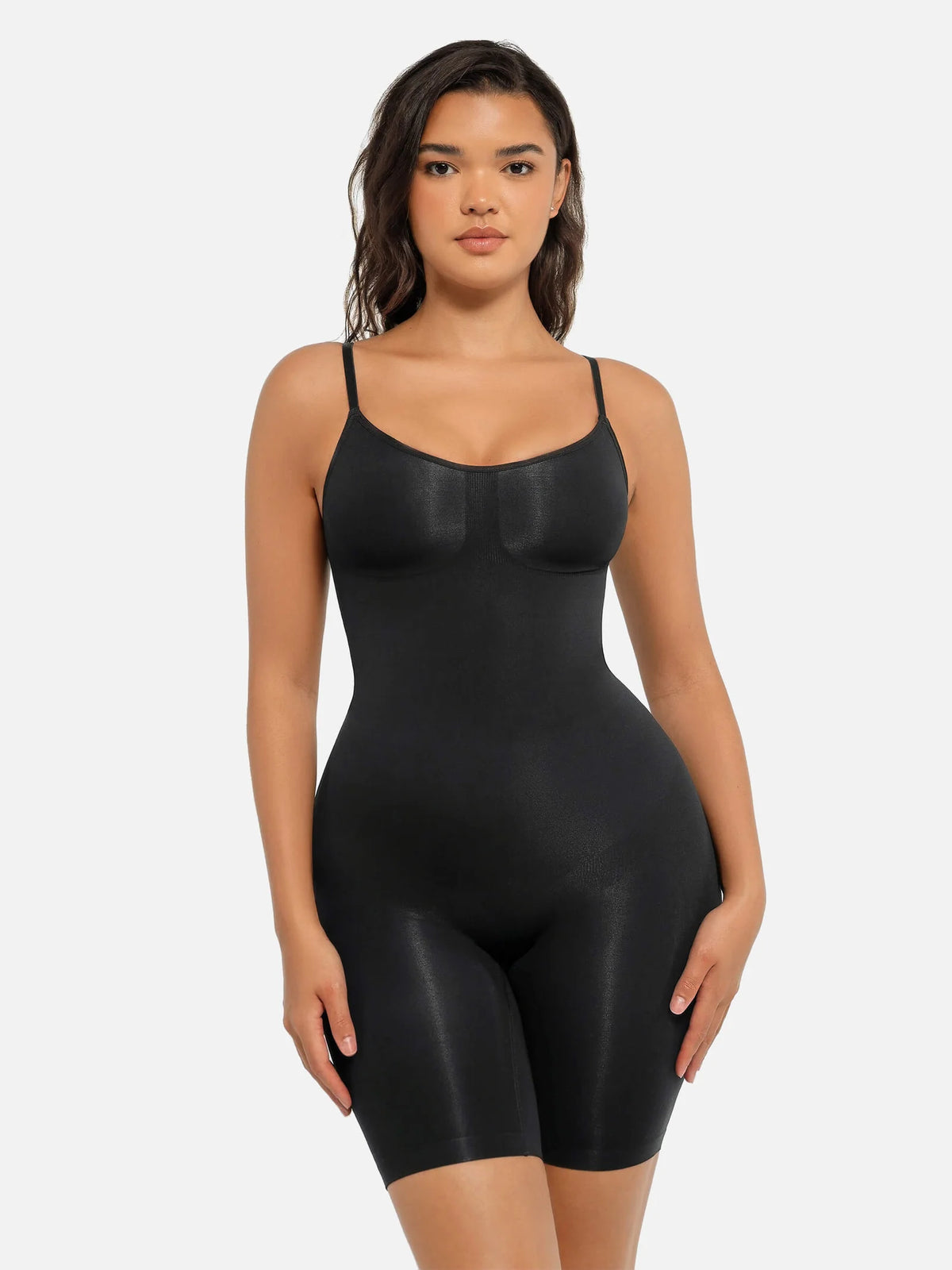
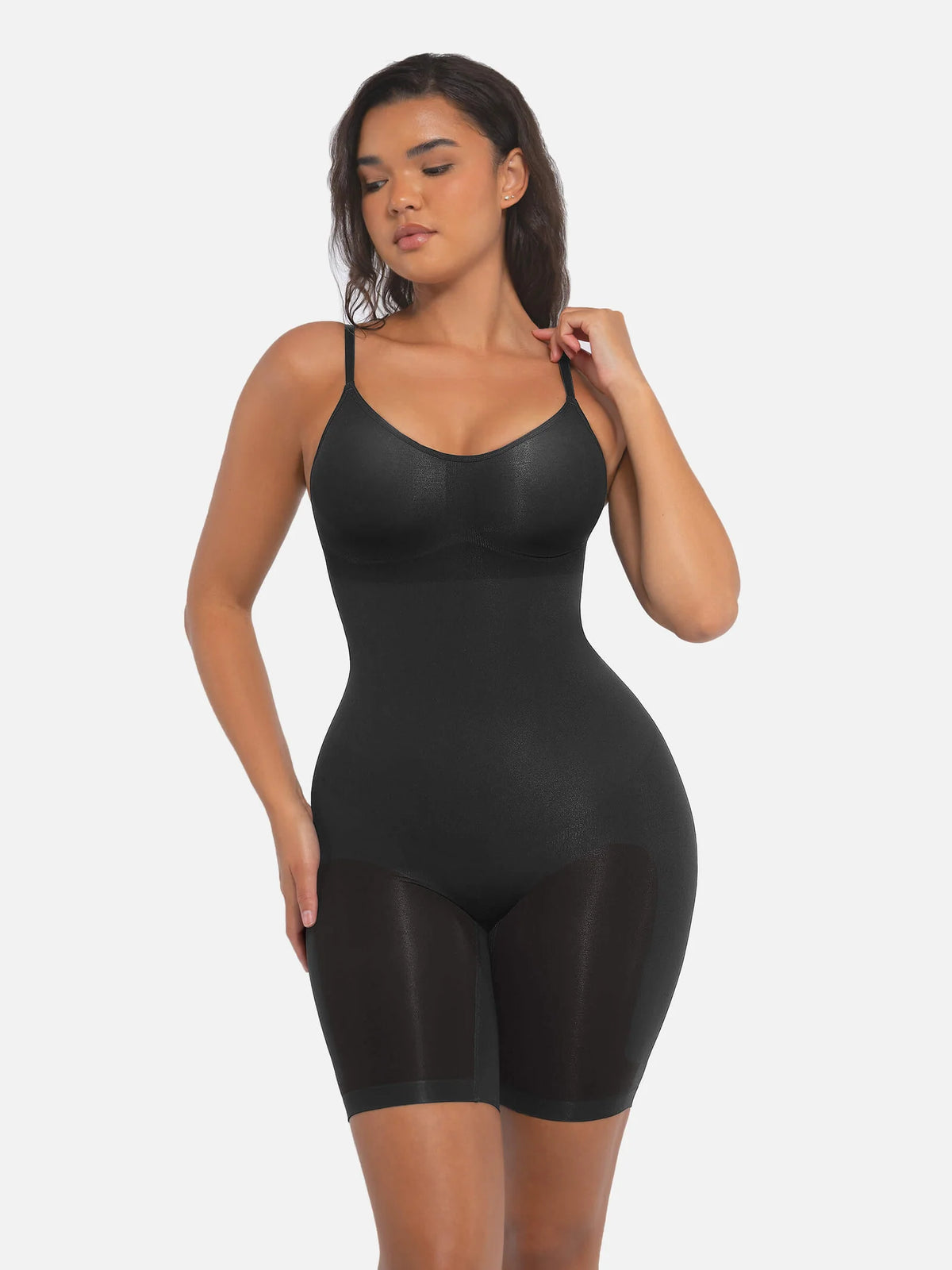
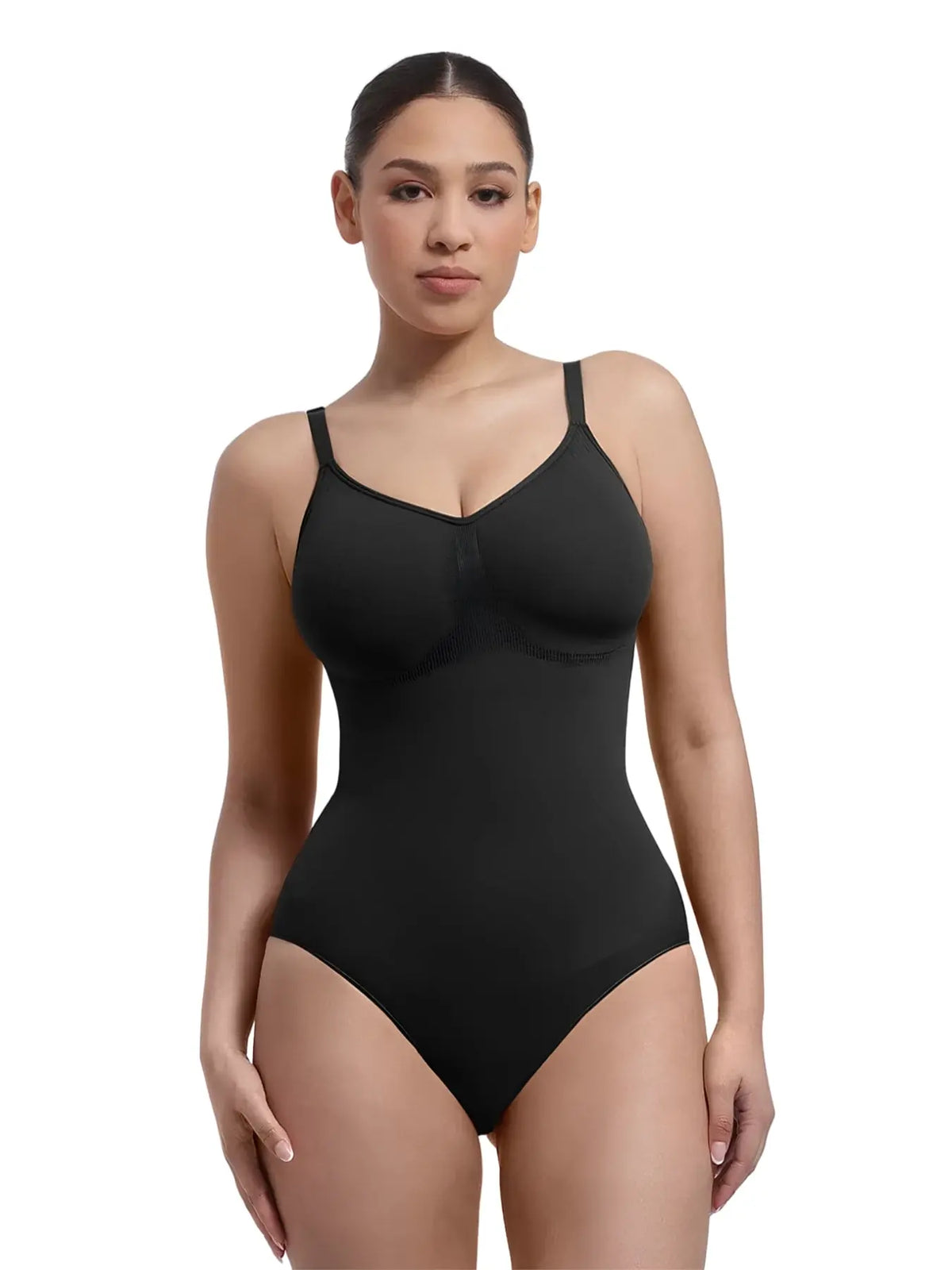
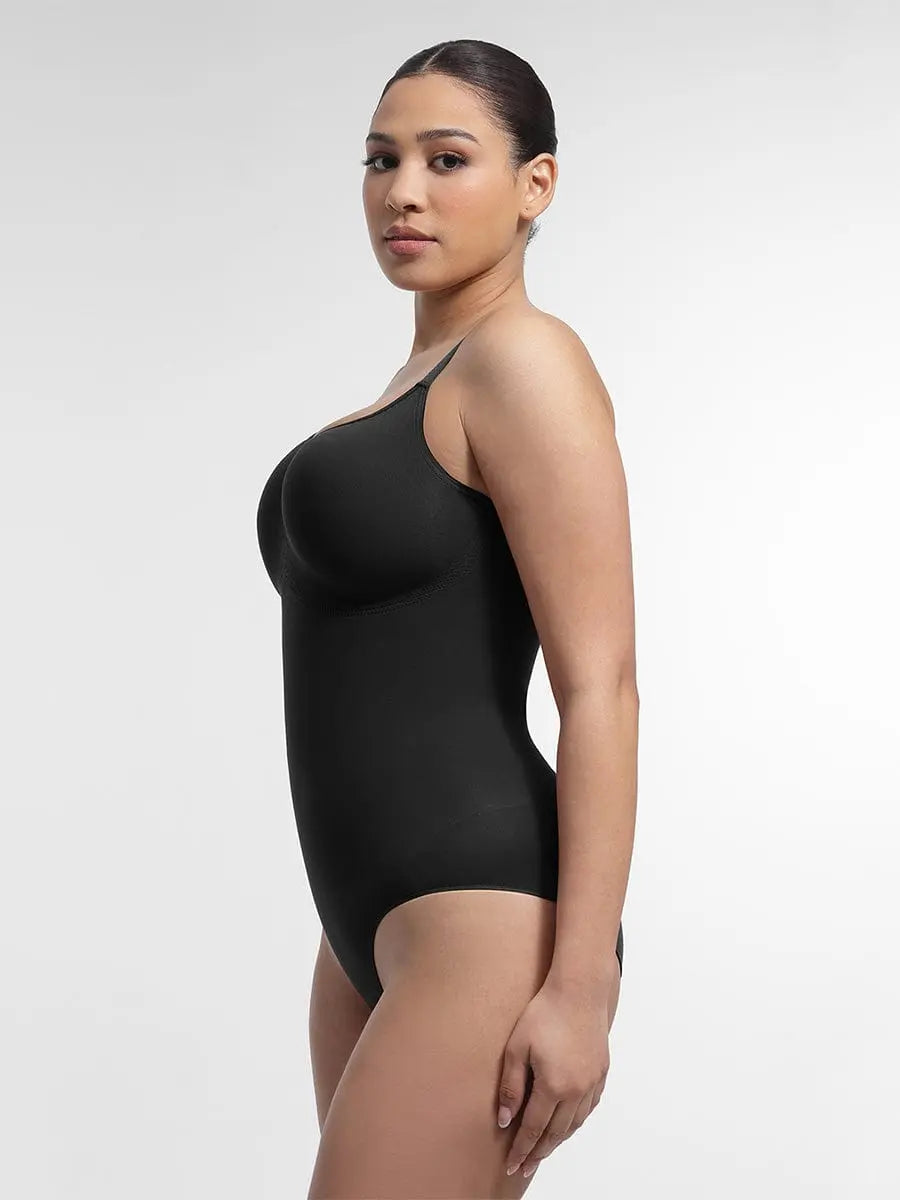
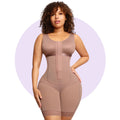
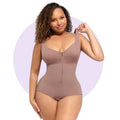
The shaping bodysuit is often the best choice for everyday wear. Unlike shapewear that can roll up or shift, a bodysuit is a one-piece garment that stays perfectly in place. It smooths the stomach, waist, and back evenly. Seamless styles like BESHAP's Névia Sculpting Bodysuit® are particularly impressive because they're completely invisible under clothing, and their fabric is so lightweight that you forget you're wearing them. It's an excellent option for all-over smoothing and maximum comfort.
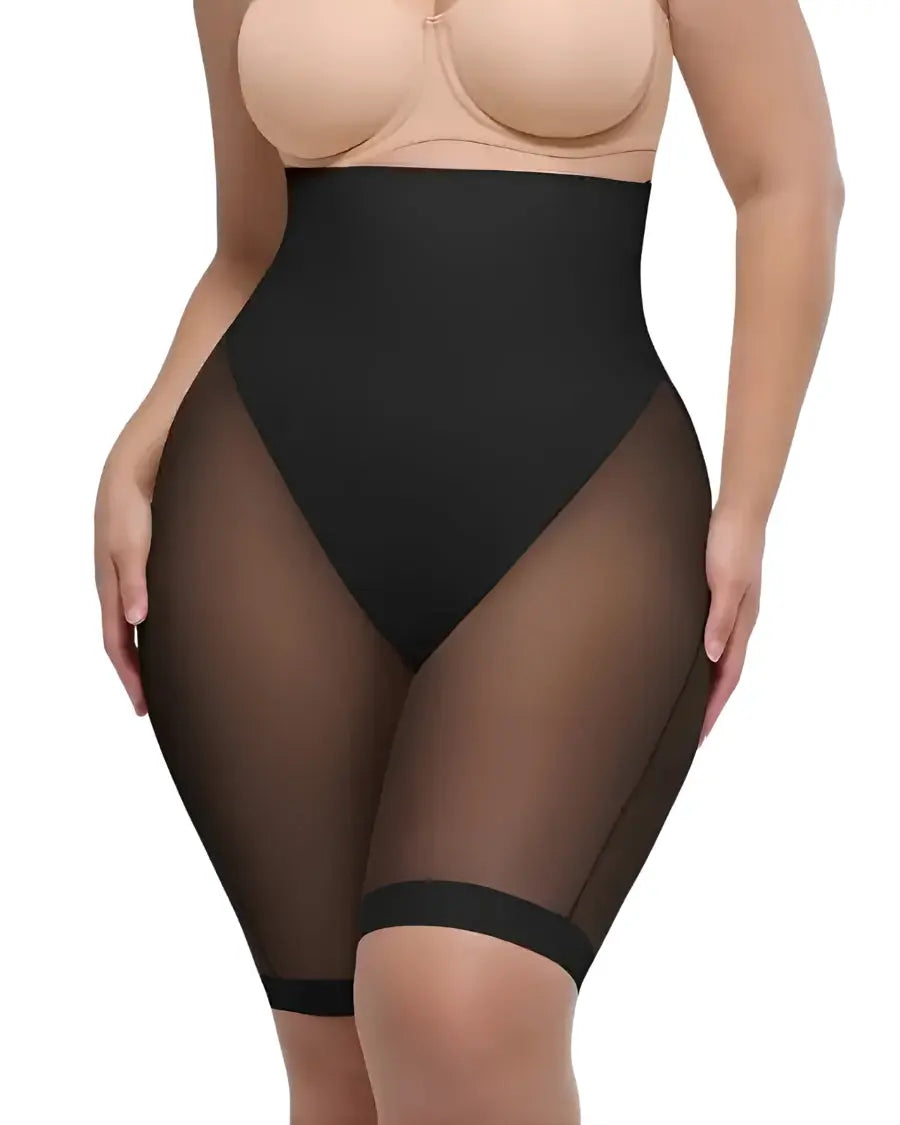
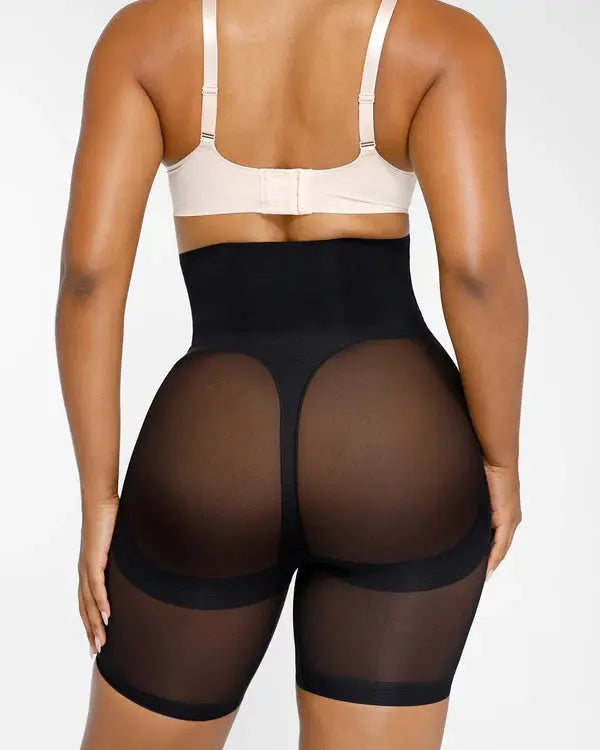
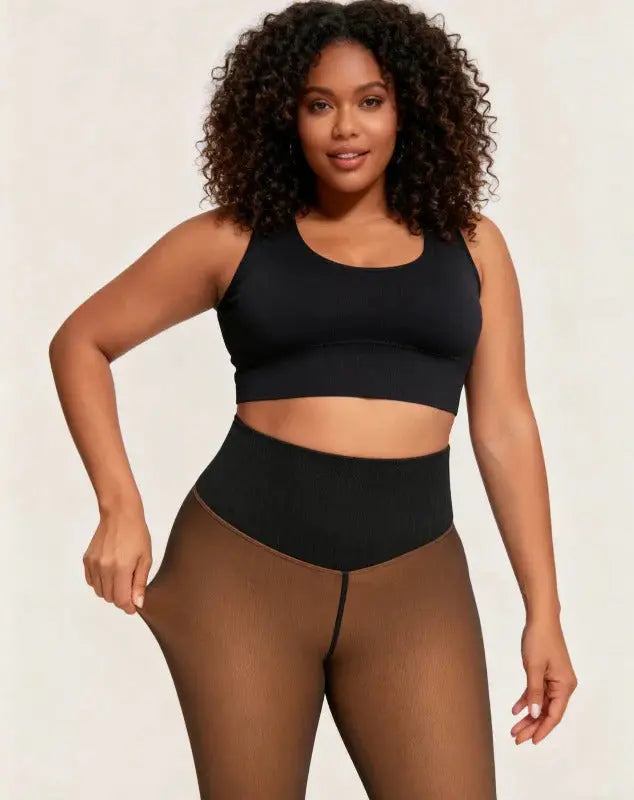
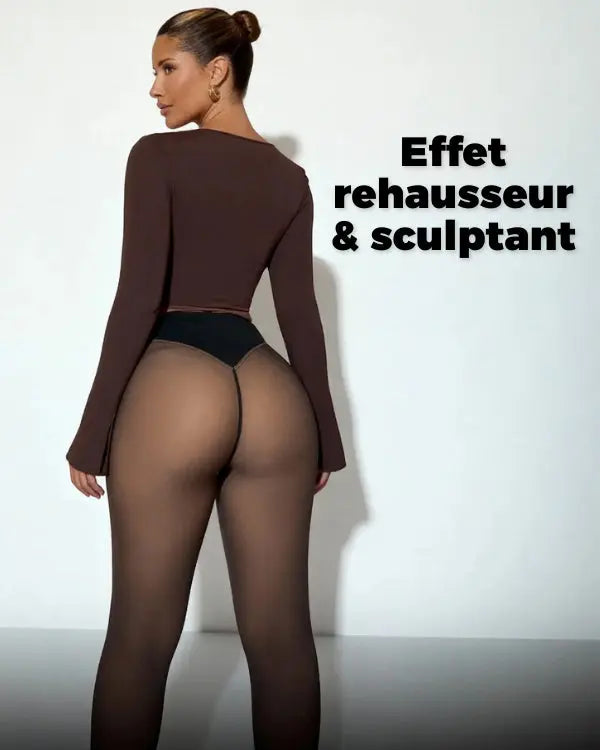
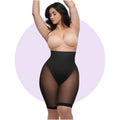
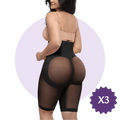
The shaping shorts or briefs are another fantastic alternative. They target the stomach, hips, and upper thighs at the same time. They're the perfect solution for avoiding visible panty lines and thigh chafing, while also smoothing the lower abdomen. The AirSlim® shaping shorts are a bestseller for good reason: they're lightweight, don't compress excessively, and their shaping effect on the buttocks is a welcome bonus. They're ideal under skirts, dresses, or even trousers.
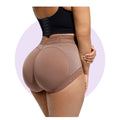
Finally, for a more targeted and lightweight effect, the high-waisted shaping briefs may be enough. They provide support for the lower abdomen without covering the entire torso. They're a perfect introduction to the world of shapewear. Models like the Véline® Invisible Sculpt Briefs combine the discretion of classic briefs with just enough compression to make a real difference under jeans, for example. The comfort is exceptional, making them a very easy choice for everyday wear.
9) Wearing shapewear every day: the 7 mistakes that ruin everything
You can have the best shapewear in the world, but if you use it incorrectly, the experience will be disastrous. Here are the most common mistakes to avoid at all costs if you're considering wearing shapewear every day.
- Choosing a size that's too small: This is mistake N°1. You may think that going down a size will make you look slimmer, but that's false. You'll have unsightly bulges where the shapewear ends, you won't be able to breathe, and you'll be completely uncomfortable. Trust the size guide and take your measurements. Properly sized shapewear smooths; it doesn't create a sausage effect.
- Ignoring your body's signals: Pain, tingling, breathing difficulties, acid reflux... These aren't signs that "it's working." They're warning signs. Remove the shapewear immediately.
- Wearing it while exercising: NEVER. When exercising, you need complete freedom of movement and unrestricted breathing. Sweat-shaping garments are a different category (and their effectiveness is debatable), but traditional support shapewear has no place in a gym.
- Sleeping in it: We've already said it, but it's so important that it bears repeating. At night, your body should be free from any constraint.
- Buying low-quality products: Shapewear costing €10 on a dubious website will probably be made of non-breathable plastic that will make you sweat and irritate your skin. Investing in quality technical fabric means investing in your comfort and health.
- Washing it carelessly: Never put it in the dryer. Intense heat destroys the elastic fibers (elastane), and your shapewear will lose all its compression power. Hand-wash it or wash it on a cold delicate cycle, and let it air-dry.
- Becoming dependent on it: Shapewear should remain a tool to give you a boost. If you start feeling anxious about going out without it, it's time to take a break and reconnect with your body, without artificial aids.
10) Our recommendations for comfortable and effective everyday wear
If you're looking for shapewear specifically designed for everyday wear, combining effectiveness and comfort, here's a selection of our most suitable products. They're designed to be reliable allies, not instruments of torture.
AirSlim® - Invisible tummy-flattening shaping shorts
Ideal for everyday use. It smooths the tummy and hips while remaining completely invisible and comfortable. Perfect under dresses and trousers.

SlimCurve - high-waisted tummy-flattening shapewear
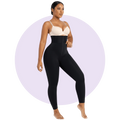
The classic choice for an immediate flat-stomach effect. Its high waist provides optimal support without rolling up. A must-have for a flawless silhouette.

Névia® – Seamless Sculpting Bodysuit
The perfect alternative to shapewear. It provides 360° smoothing from the bust to the hips in absolute comfort. Put it on and forget about it.

11) Comparison table: which solution should you choose for your silhouette?
To help you see things more clearly, here is a summary of the different approaches to help you feel better in your body. Each solution has its advantages and limitations. The best strategy is often to combine them.
| Solution | Main action | Immediate effect | Gradual effect | Who is it for? | Main limitation |
|---|---|---|---|---|---|
| Shapewear | Compresses and smooths the silhouette cosmetically. | ✔ | ✕ | Those who want an immediate visible result for a special occasion or everyday wear. | No permanent effect. Risks if used incorrectly (size, duration). |
| Transverse abdominis strengthening | Tones the deep abdominal muscles for a "natural shapewear" effect. | ✕ | ✔ | Anyone who wants long-lasting results and improved posture. | Requires consistency. Visible results after several weeks. |
| Balanced diet | Reduces bloating, water retention, and visceral fat. | ✕ | ✔ | Absolutely everyone. It's the foundation of health and well-being. | Requires a change in lifestyle habits. No "magic" effect. |
| Hydration & Stress Management | Helps combat water retention and cortisol-related fat storage. | ✕ | ✔ | Those who often feel bloated and stressed. | The effects are related to overall well-being and are less directly "visible." |
FAQ: Wearing shapewear every day
The questions you're asking yourself, our straightforward answers.
Does wearing shapewear every day make you lose weight?
No, absolutely not. Shapewear does not burn fat. The weight loss you may see on the scale after wearing it is simply water loss caused by sweating, which you will regain by drinking. Shapewear is a sculpting tool, not a slimming solution.
Can I wear shapewear after giving birth?
Yes, it is even often recommended, but only after getting the green light from your doctor or midwife. A specific postpartum shapewear garment can help support stretched abdominal muscles and relieve back pain. Choose a suitable model and do not wear it too tightly. To learn more, you can consult our guide to shapewear after childbirth.
My shapewear keeps rolling up all the time, what should I do?
If your shapewear rolls up, it is generally a sign of two problems: either it is too small or it is not suited to your body shape. Make sure you chose the right size. If the problem persists, try a model with non-slip silicone bands or opt for a shaping bodysuit, which by definition cannot roll up.
What is the difference between shapewear and a corset?
Modern shapewear is made of stretchy, flexible fabrics that compress and smooth. A traditional corset is a rigid structure with stays (made of metal or plastic) and lacing, designed to alter the shape of the waist in a more drastic and rigid way. For everyday use, flexible shapewear is infinitely more comfortable and safer than a corset.
How do you choose the right shapewear size for everyday wear?
Don't rely on your usual clothing size. Take a tape measure and measure your waist (at the narrowest point) and hips (at the widest point). Then compare these measurements with the size guide specific to the product you want to buy. If you're between two sizes, always choose the larger one for everyday wear.
Conclusion: Is daily shapewear an ally or an enemy?
Ultimately, wearing shapewear every day is neither a miracle solution nor a practice to demonize. It is a tool, and like any tool, its usefulness depends on how you use it. Used intelligently - the right size, quality fabric, limited duration, and as a complement to a healthy lifestyle - it can be a fantastic ally for self-confidence. It gives you a smoother silhouette and better posture, allowing you to feel good in your clothes instantly.
However, when used excessively, in the wrong size, or in the hope of losing weight, it becomes counterproductive or even dangerous. The key is to see it for what it is: a cosmetic boost, a fashion accessory. The real fundamental work, the kind that brings lasting results for your health and figure, happens in your diet, your sneakers, and your mind. Brands like BESHAP strive to create products that respect your body, but the final decision and responsibility for using them properly are yours. Be honest about your expectations, listen to your body, and make shapewear your ally, not your master.
Also worth seeing on BESHAP:
Here is some relevant BESHAP content to explore the topic further.