







Pregnancy and lower abdominal pain: What no one tells you (and why you shouldn't ignore it in 2026)
Pregnancy lower abdominal pain is a topic that worries many expectant mothers. Between the excitement of the new life growing inside you and the many changes your body undergoes, it is perfectly normal to have a thousand questions. When pain occurs, even mild, panic often sets in. Is it normal? Should I worry? What can I do to feel better?
This guide was designed to provide you with clear and honest answers, without filters. Forget sugar-coated speeches and unrealistic promises. Together, we will explore the common causes of lower abdominal pain during pregnancy, from the most harmless to the more serious, so you can better understand what is happening in your body. The goal is to give you the keys to distinguish normal from abnormal and know when it is time to consult.
But beyond purely medical information, we will also discuss concrete solutions to relieve these discomforts, whether natural, related to physical activity, or involving external aids like supportive clothing. Get ready to challenge some common misconceptions and discover how you can experience your pregnancy more peacefully by listening to your body and providing it with the support it needs. Because your peace of mind is just as important as your health and that of your baby.
Verdict in 30 seconds: Your lower abdominal pain during pregnancy
- Mostly, lower abdominal pain during pregnancy is normal: it is often related to ligament stretching, uterine growth, or gas.
- Never ignore intense or persistent pain: medical advice is essential if the pain is sharp, accompanied by bleeding, fever, or regular contractions.
- There are solutions to relieve daily discomfort: rest, warmth, hydration, proper nutrition, and gentle exercises can make a real difference.
- Supportive clothing can offer valuable support: maternity belts, bodysuits, or postpartum shaping underwear help support the belly and back, improving comfort.
- Listening to your body is your best ally: learn to differentiate the signals and never hesitate to seek advice from a healthcare professional.
1) Lower belly pregnancy pain: Why this sensation is (often) normal?

When you are pregnant, your body undergoes an incredible transformation. This metamorphosis, although wonderful, is often accompanied by new sensations, and lower belly pregnancy pain is one of them. Before you panic, know that in the vast majority of cases, these pains are completely normal and harmless. They are a sign that your body is adapting, preparing, and making room for your baby. It is a natural process, and understanding where they come from can already ease much of your anxiety.
These pains can vary in intensity and frequency. Some women describe them as mild tugs, others as more pronounced cramps, similar to menstrual cramps. They can be constant or intermittent and appear at any stage of pregnancy. The important thing is to not compare your experience to that of others, as every pregnancy is unique. What is normal for one woman may not be for another, and vice versa.
Most often, these sensations reflect the deep physiological adjustments happening within you. From the stretching of your muscles and ligaments to the pressure exerted by the growing uterus, your body is working tirelessly. Learning to identify and understand them is the first step to managing them calmly and fully enjoying this special time in your life.
2) The real causes behind your pregnancy ligament pains
Pregnancy ligament pains are one of the most common causes of lower belly discomfort. Your uterus is suspended by ligaments that stretch and thicken as it grows. The best known is the round ligament, which connects the uterus to the groin. When it stretches, it can cause sharp pain, often on one side, radiating to the groin or pubic area. This pain is usually more pronounced during sudden movements, like standing up quickly, coughing, or sneezing. It is an unpleasant sensation but completely harmless.
Beyond the round ligaments, other factors contribute to this pregnancy lower belly pain. The growth of the uterus itself puts pressure on neighboring organs (bladder, intestines), which can cause feelings of heaviness or pulling. Braxton Hicks contractions, these painless or slightly uncomfortable false contractions, can appear as early as the second trimester and are a way for the uterus to practice. They are irregular and do not intensify, unlike real contractions.
Finally, remember that pregnancy can worsen digestive problems. Gas and constipation are common due to hormones that slow down intestinal transit, and they can cause painful cramps and bloating in the lower belly. Good hydration and a fiber-rich diet are then your best friends. Understanding these mechanisms helps you better manage worry and decide when to consult.
3) Relieve lower belly pain during pregnancy: Natural tips that work (or not)

When pregnancy lower belly pain is felt, the first thing you want is relief. Fortunately, there are natural and simple tips that can help you. Rest is essential. If you feel pulling sensations, lie down, preferably on your left side, to improve blood circulation and reduce pressure on the uterus. Don't hesitate to take regular breaks throughout your day, even if you feel like you're not doing much. Your body is working hard!
Gentle heat can also be a valuable ally. A warm (not hot!) hot water bottle on the lower belly or a warm bath (if your doctor allows) can relax muscles and soothe cramps. Also remember adequate hydration. Drinking plenty of water not only helps prevent constipation but also reduces the risk of premature uterine contractions related to dehydration. Water is essential for your body’s proper functioning, especially during pregnancy.
Finally, a balanced and fiber-rich diet is crucial to avoid digestive problems that can worsen lower belly pain. Favor fruits, vegetables, whole grains, and legumes. Avoid foods that are too fatty, too sweet, or too spicy, which can irritate your digestive system. These simple but effective actions can significantly improve your daily comfort and help you better experience this period.
4) Exercises for lower belly pain during pregnancy: Move smartly to feel better

Contrary to what one might think, staying inactive is not always the best solution for pregnancy lower belly pain. Gentle and appropriate movement can actually help relieve tension and strengthen the muscles supporting your belly. Exercises for lower belly pain during pregnancy should always be done cautiously and ideally after consulting your doctor or midwife, especially if you have particular medical history.
Prenatal yoga is an excellent option. It combines stretching, gentle muscle strengthening, and breathing techniques, which are perfect for releasing ligament tension and improving posture. Daily walking sessions at a moderate pace are also very beneficial. Walking stimulates blood circulation, aids digestion, and strengthens the back and pelvic muscles, thus reducing pressure on the lower abdomen. Don’t forget to wear comfortable shoes and stay hydrated.
Gentle stretching, especially targeting the pelvis, back, and hips, can also provide great relief. Think of cat-cow stretches, pelvic rotations, or hamstring stretches. The goal is not to push yourself but to listen to your body and maintain some flexibility. Regular and appropriate physical activity is an investment in your well-being during pregnancy and for better postpartum recovery.
5) Pregnancy support girdle: A discreet ally for targeted support?
When your belly starts to grow, the pressure on your back and lower belly can become significant, exacerbating lower belly pregnancy pain. This is where a pregnancy support girdle can come into play. Far from the restrictive corsets of the past, modern girdles are designed to offer gentle and ergonomic support, without compressing your baby. They are often made from breathable and elastic fabrics to adapt to your body's changes.
The main advantage of a support girdle is to relieve the weight of the belly, which reduces tension on ligaments, abdominal muscles, and the lower back. This can help you maintain better posture, reduce lower back pain, and feel more comfortable during your daily activities. Some women also find that they provide a feeling of security and 'containment' that is very appreciated as the belly rounds. It's a bit like a second skin that wraps around and supports you.
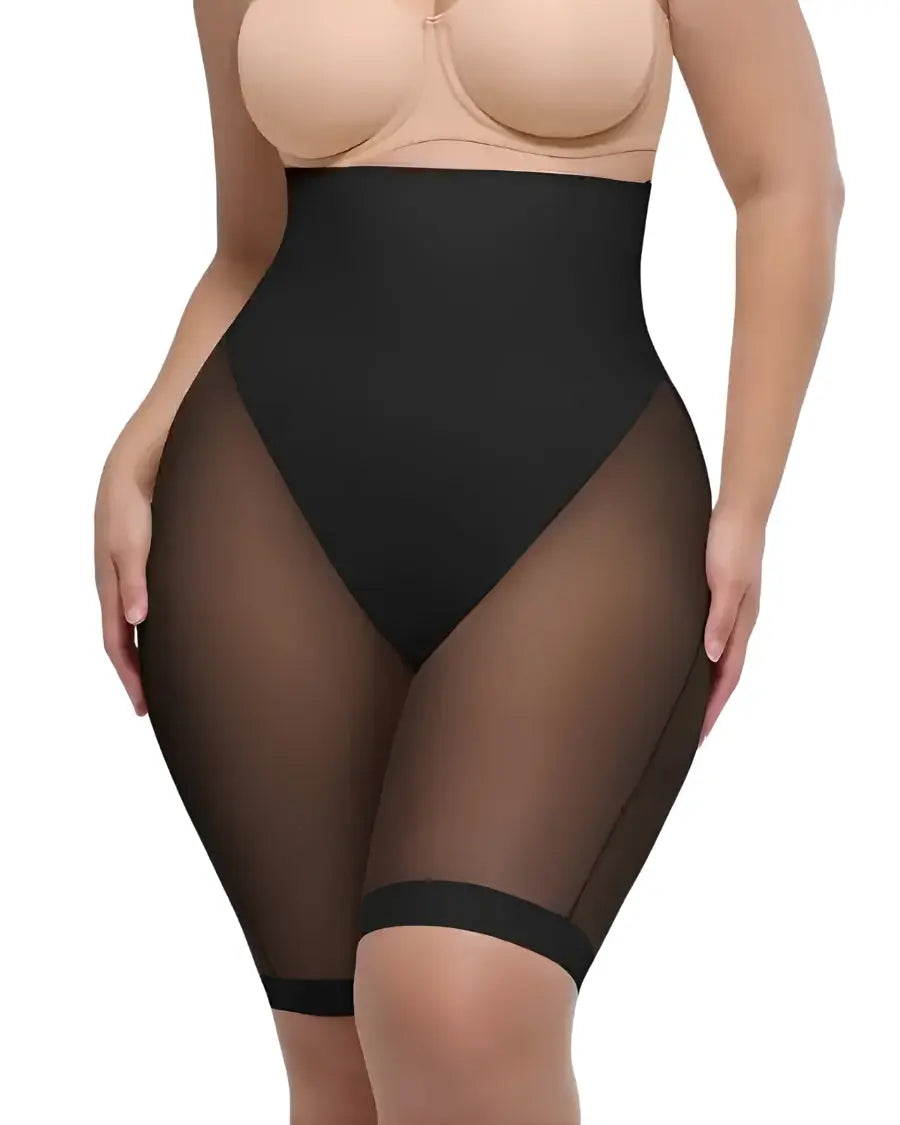
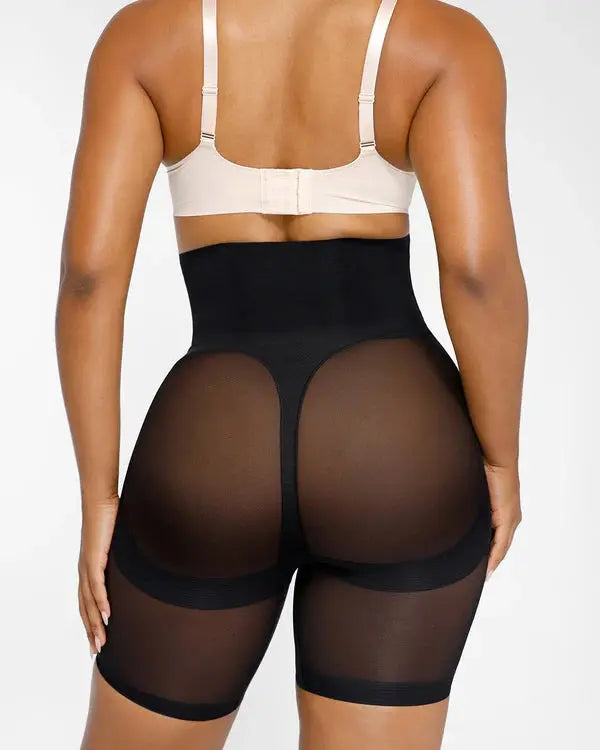
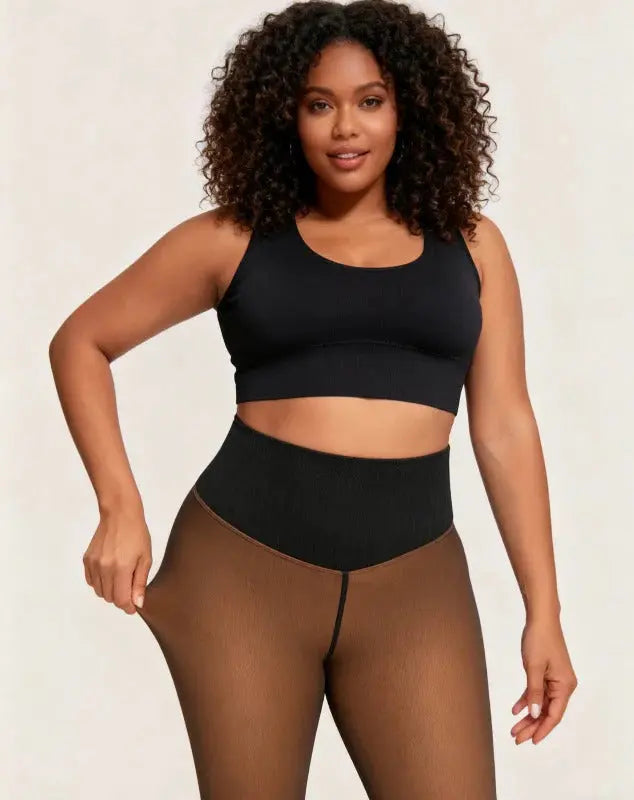
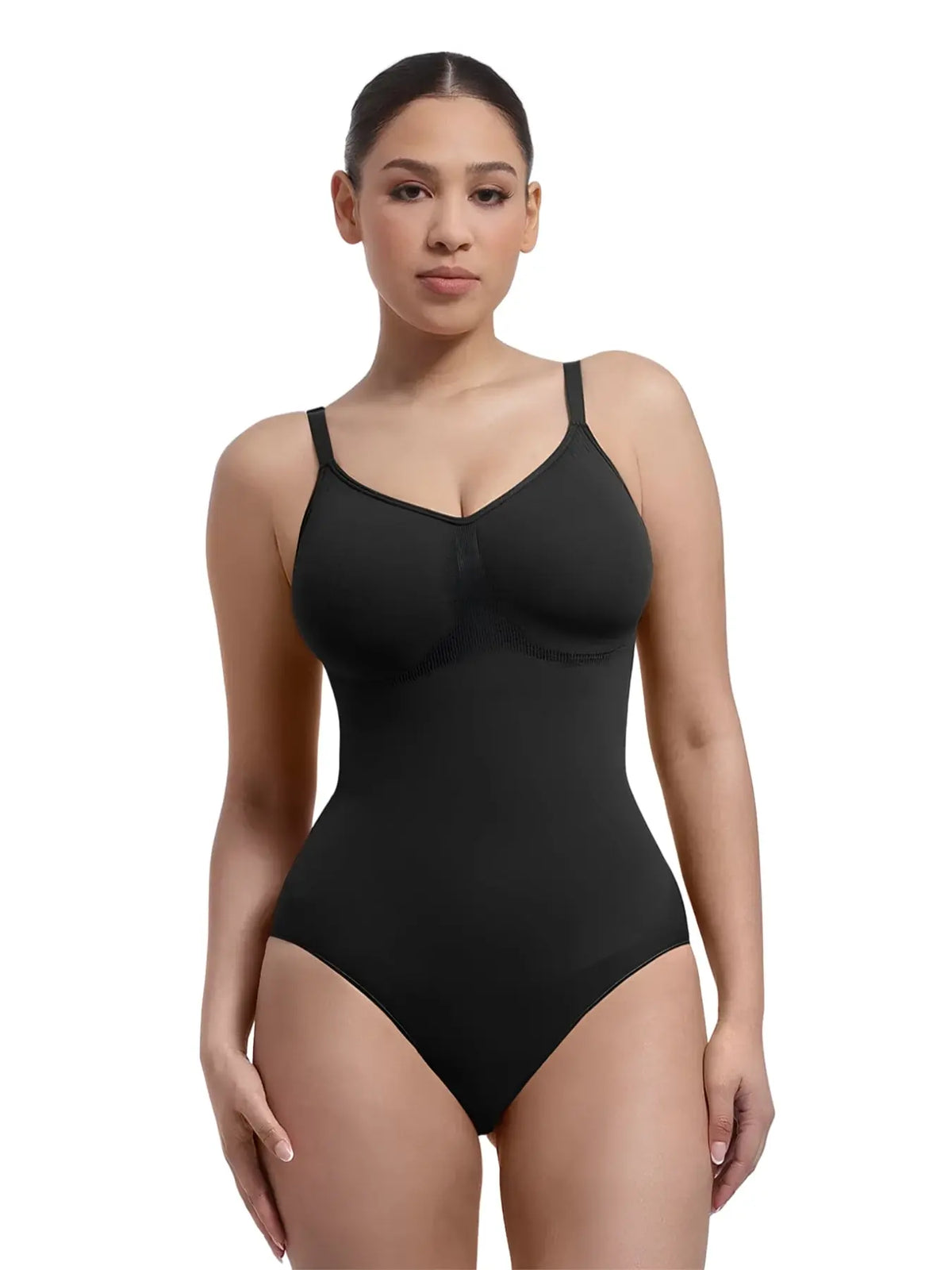
Be careful, a pregnancy girdle is not a miracle solution and should never replace medical advice. It must be chosen in your size, neither too tight nor too loose, to be effective and comfortable. Brands like BESHAP offer suitable support solutions, but it is crucial to choose the model that matches your needs and stage of pregnancy. For options specifically designed for support, you can explore the shaping bodysuits or the shaping panties that provide targeted support.
6) Shaping bodysuit pregnancy review: Comfort and support daily
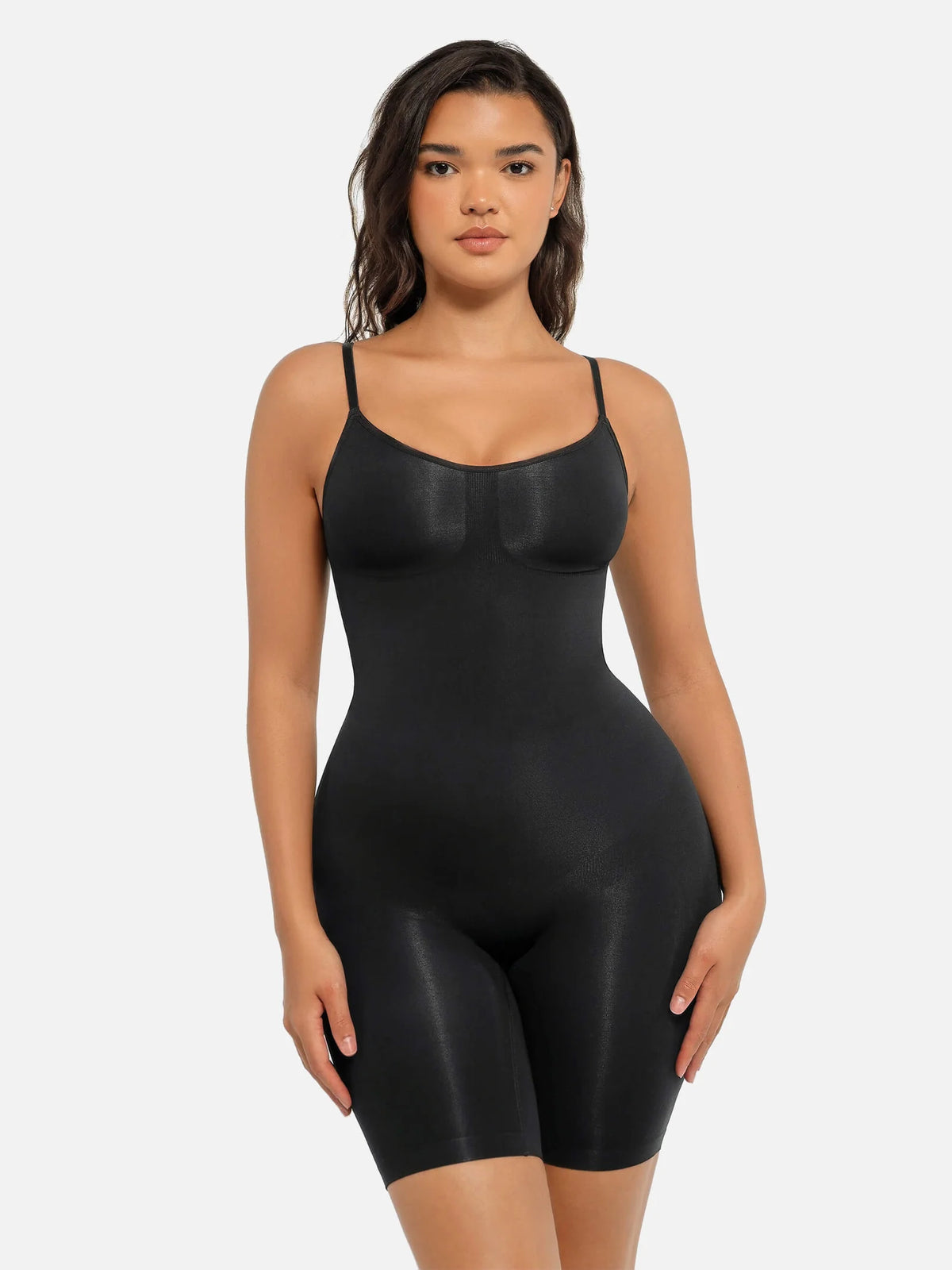
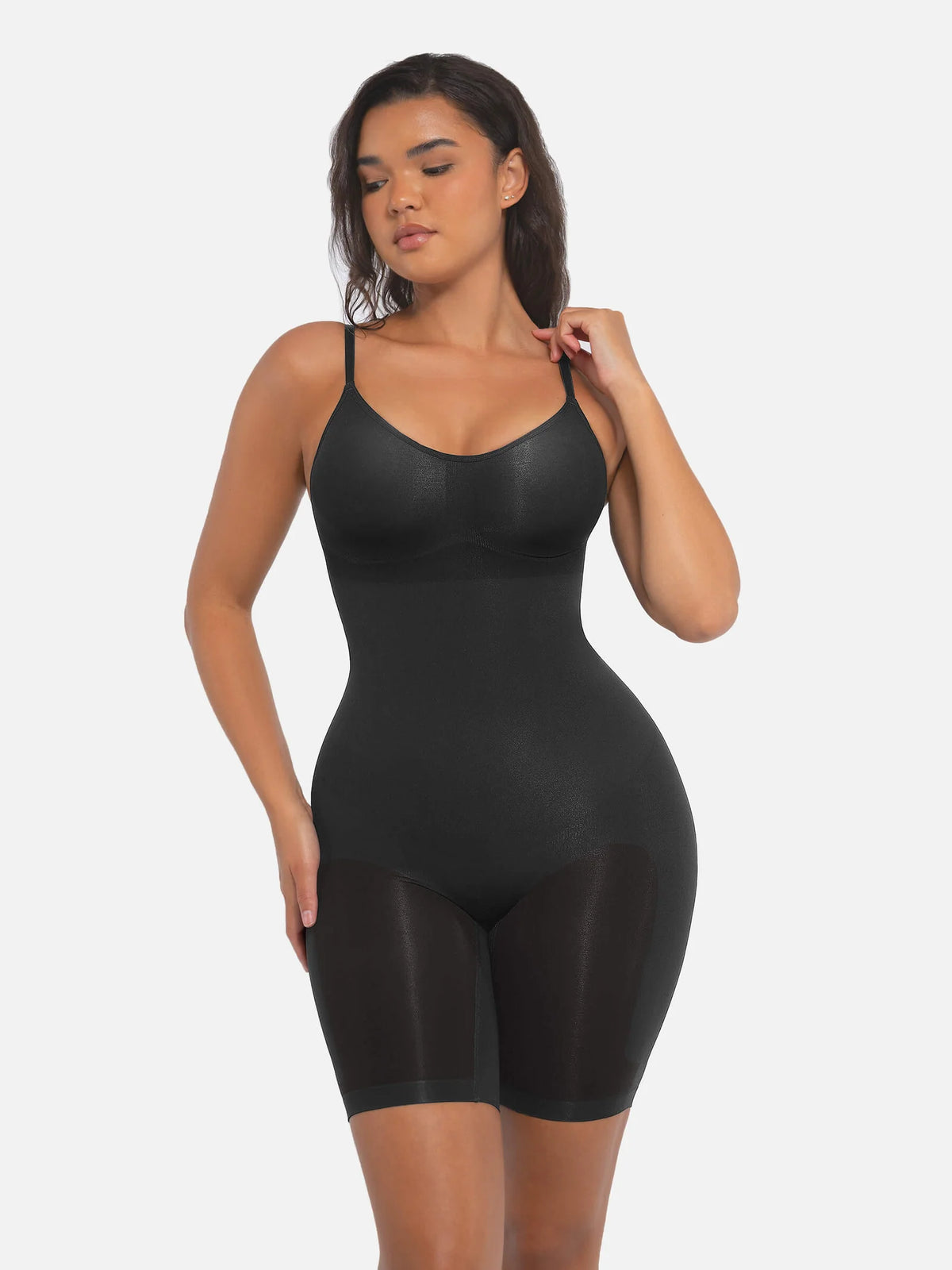
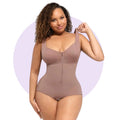
If the idea of a specific girdle doesn't appeal to you, a shaping bodysuit can be an interesting alternative for a more overall and discreet support, especially during the first trimesters or immediately postpartum. Although most shaping bodysuits are not specifically designed for advanced pregnancy, some very elastic models without excessive compression around the belly can offer light support that relieves lower belly pregnancy pain and improves the silhouette. The advantage is their discretion under clothing.
Opinions on shaping bodysuits during pregnancy are mixed, as it depends on the model and your stage. During postpartum, however, they are often praised. A shaping bodysuit can help support the abdominal muscles that have been stretched, support the back, and smooth the silhouette, which is a real plus for self-confidence after childbirth. It provides significant psychological comfort, helping to regain a feeling of 'holding' the body.
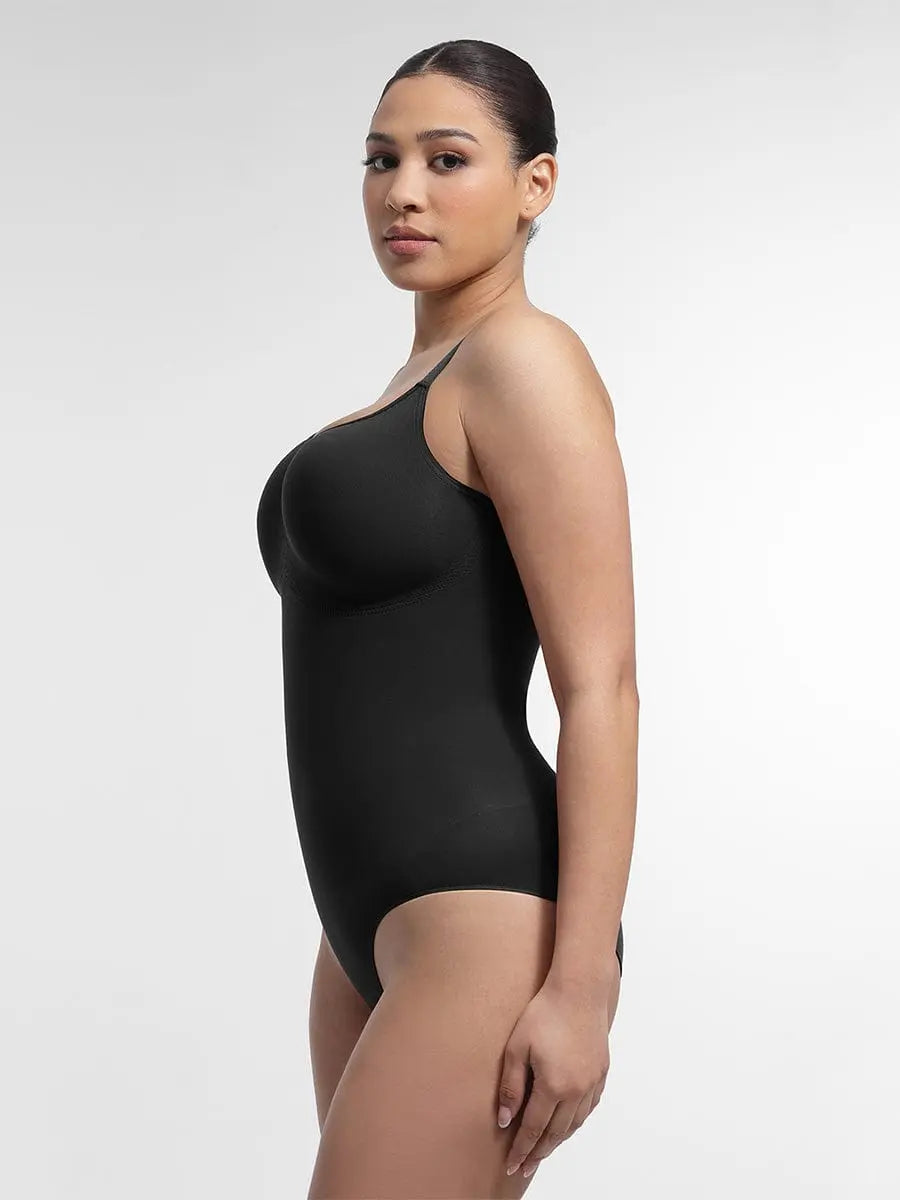
The important thing is to choose a model that absolutely does not compress the pregnant belly and is easy to put on and take off. For postpartum, a shaping bodysuit can be an excellent option for gentle support and increased comfort. Brands like BESHAP offer shaping bodysuits that stand out for their comfort and ability to sculpt the silhouette without restricting movement. Always choose the right size and favor soft, breathable fabrics.
7) Postpartum shaping panty: Gently regain confidence
After childbirth, the body needs time to recover, and the lower belly area can be particularly sensitive, with a feeling of 'emptiness' or looseness. This is where the postpartum shaping panty becomes a valuable ally. It does not aim to forcibly 'pull in' your belly, but rather to offer gentle and enveloping support that promotes comfort and aids the transition. It can also help relieve residual lower belly pain or sensations of instability.
The main role of the shaping panty after baby is to provide light to moderate abdominal support. This support can reduce ligament and muscle pain, improve posture, and give you a feeling of security. For many new moms, it is also a psychological asset: it helps to feel more 'held' and regain self-confidence by seeing a smoother silhouette under clothes. It is a step towards reclaiming your body.
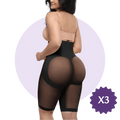
It is essential to choose a comfortable shaping panty, without irritating seams, and made from breathable materials. It should support without excessive compression, so as not to hinder blood circulation or breathing. High-waisted models are often preferable for better coverage. BESHAP offers a range of shaping panties specifically designed for postpartum comfort and support, like the Novalya®, which is ideal for this delicate period. Remember that the goal is comfort and well-being, not constraint.
8) Postpartum girdle for women: When and how to use it after baby?
The question of the postpartum girdle for women is often a topic of debate, but it can be a very useful tool if used correctly. After childbirth, whether vaginal or cesarean, the abdominal muscles are weakened and stretched. A postpartum girdle is designed to provide external support to the abdominal belt, which can help reduce pain, improve posture, and promote better recovery. It can provide immediate comfort against the feeling of an 'empty' belly.
It is crucial to know when and how to use it. Generally, the use of a postpartum girdle can start a few days after delivery, once you feel ready and after getting the green light from your healthcare professional. For cesarean sections, it can help support the scar and reduce pain. The girdle should never be too tight to the point of being uncomfortable or hindering breathing. Its role is to support, not to compress violently. Moderate and gradual wearing is recommended, often a few hours a day at first.
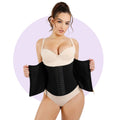
The benefits include better back support, a reduction in ligament pulling, and help with perineum and abdominal rehabilitation (as a complement to appropriate exercises, never as a replacement). It is a comfort and support tool, not a way to 'lose belly' instantly. BESHAP offers solutions like Formeva®, a full girdle that provides excellent support after childbirth. Feel free to read our complete guide on “How to choose the best postpartum girdle” to make the right choice.
9) Mistakes to avoid when managing your pregnancy pains (and beyond)
Managing pregnancy lower belly pain is not always simple, and it is easy to fall into certain traps. Knowing the common mistakes can help you avoid them and make better decisions for your well-being and that of your baby. Here are the main mistakes not to make:
Not listening to your body is mistake number one. Ignoring signals, whether they are pain or fatigue, can have consequences. Rest is not a luxury, it is a necessity during pregnancy. Likewise, self-medication is to be avoided. Never take medication without the advice of your doctor or pharmacist, even those that seem harmless to you. Many substances are contraindicated during pregnancy.
Finally, not consulting when in doubt is a major mistake. It’s better to have an appointment 'for nothing' than to miss a serious problem. Your healthcare professional is there to listen, reassure, and guide you. Never feel 'silly' for asking a question about a pain or sensation that worries you. It’s your right and the best way to ensure a calm and healthy pregnancy.
- Ignoring warning signs: Intense, persistent pain accompanied by bleeding, fever, dizziness, or regular and painful contractions should always alert you and prompt you to seek emergency consultation. Never minimize these symptoms.
- Self-medicating: Many medications, even over-the-counter ones, are dangerous during pregnancy. Always consult a healthcare professional before taking anything to relieve your pain.
- Pushing yourself too hard with physical exercises: Physical activity is good, but it must be adapted. Listen to your limits, don’t seek performance, and favor gentle and safe movements. Forget classic ab workouts or high-impact sports.
- Constantly comparing yourself to others: Every pregnancy is unique. What a friend or celebrity feels is not necessarily what you will experience. Focus on your own body and your own sensations.
- Not asking for help or not consulting: The fear of bothering others or the feeling of having to 'manage everything alone' can prevent you from seeking the support you need, whether medical, psychological, or practical. Never hesitate to surround yourself with help.
10) BESHAP: Solutions to support you during and after your pregnancy
At BESHAP, we understand that pregnancy and postpartum are times of great upheaval, where comfort and support are essential. That’s why we have developed products designed to accompany you, provide a sense of well-being, and help you feel better in your body, whether to relieve pregnancy lower belly pain or to gently regain your figure after childbirth. Our solutions are designed to be discreet, effective, and respectful of your body.
We believe that a woman who feels good in her body is a more confident and serene woman. Our support garments are not here to constrain you, but to support and gently wrap you, allowing you to focus on what matters most: your health and that of your baby, or your postnatal recovery. Discover our favorites, specially selected for these life moments.
Each product is made with quality materials, gentle on the skin and offering targeted and non-restrictive compression. Whether you are looking for support for your growing belly or help with recovery after childbirth, you will find allies for your well-being at BESHAP. Because you deserve to feel beautiful and supported at every stage of your journey as a woman and mother.
Novalya® – Sculpting Postpartum Panties
Specially designed for postpartum recovery, these panties offer gentle support and essential comfort for the lower belly, helping to regain a feeling of support.

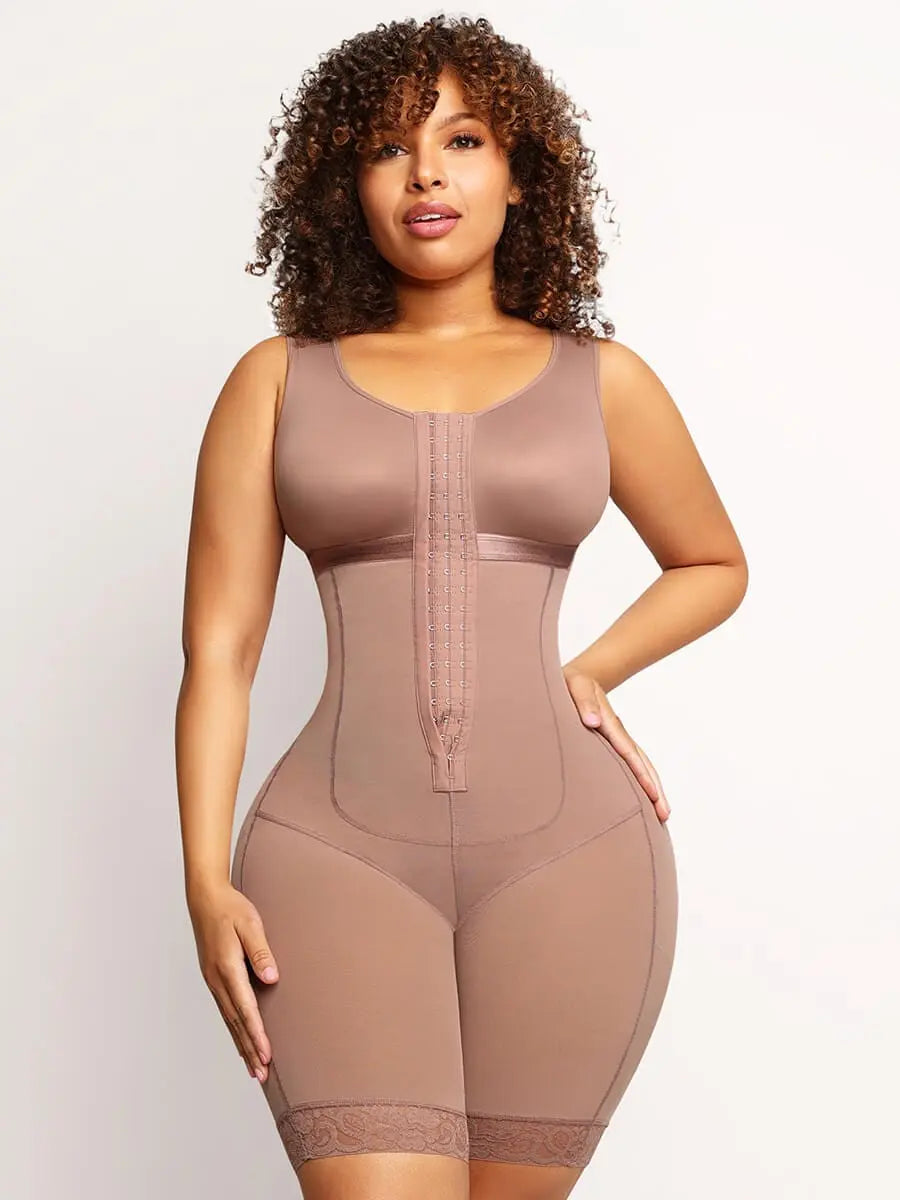
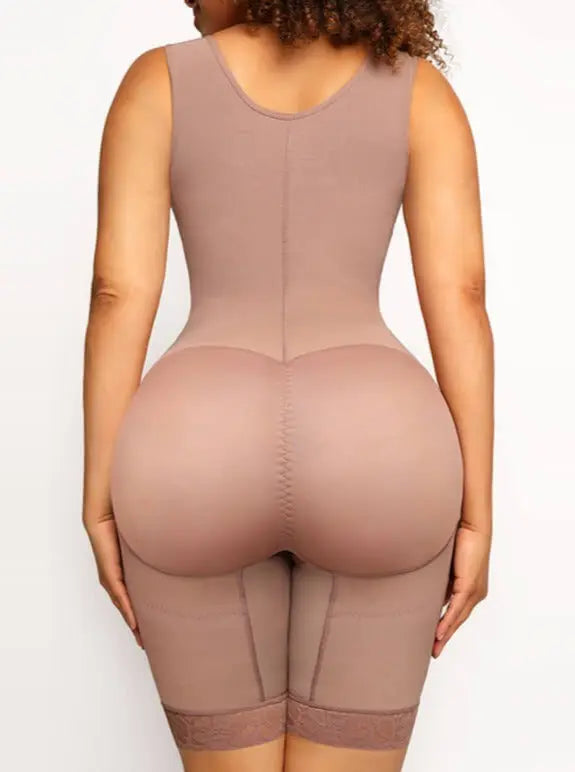
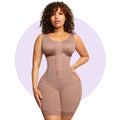
Formeva® – Full shapewear with chest band and waist support
This full shapewear is ideal for postpartum, offering firm and comfortable support for the belly and back, promoting better posture and overall support after childbirth.

See Formeva® – Full shapewear with chest band and waist support →
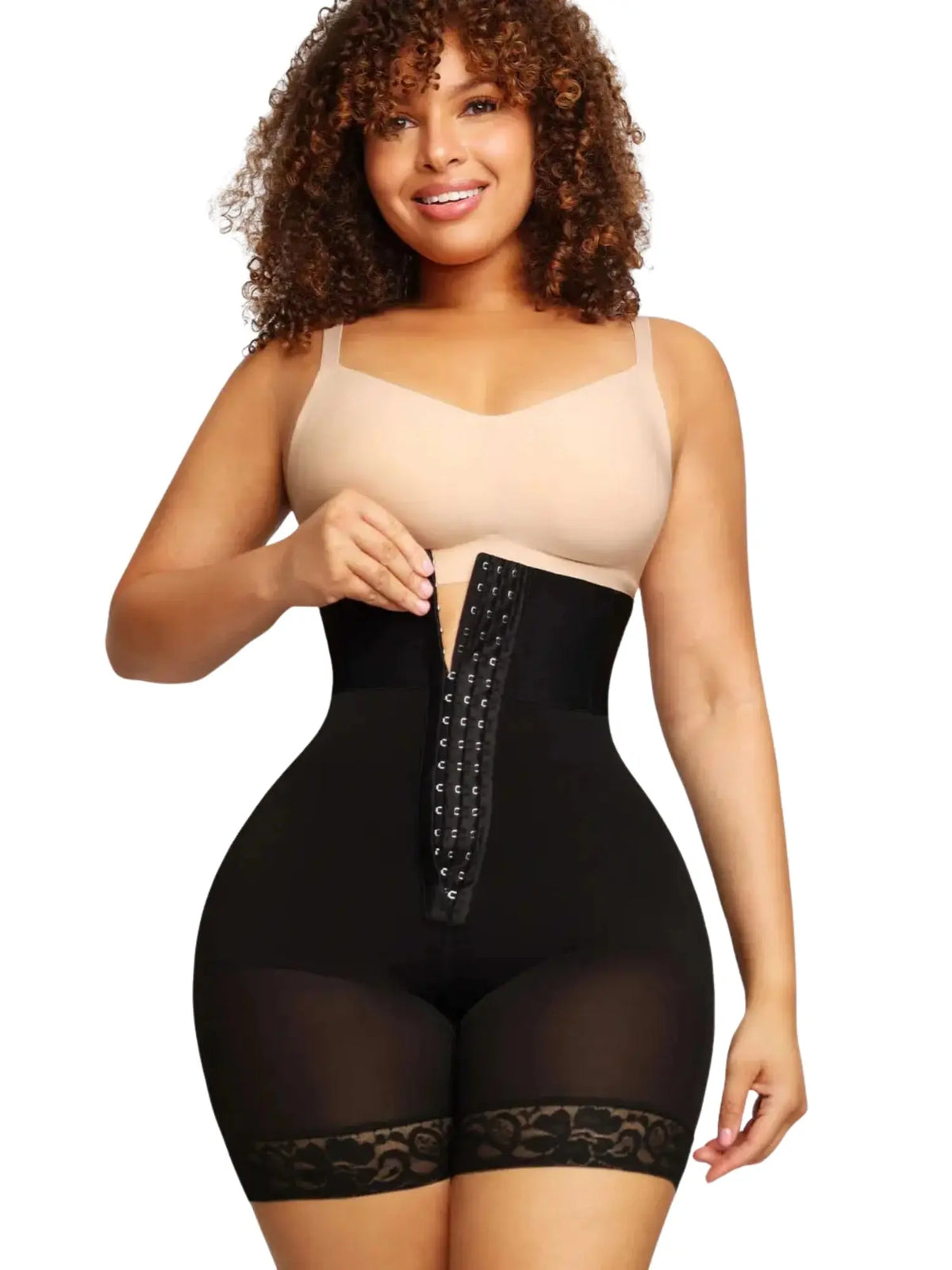
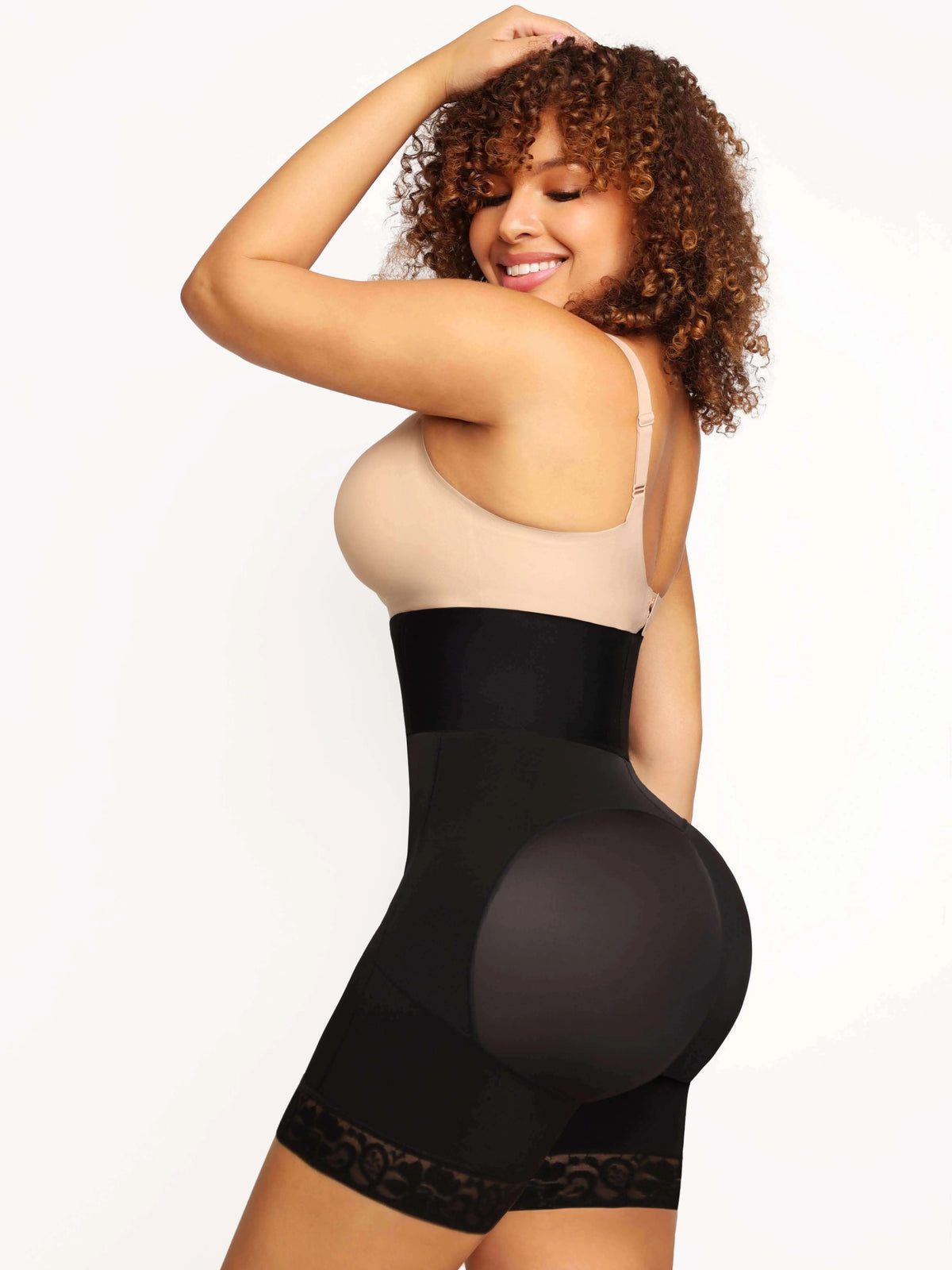
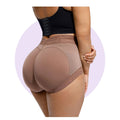
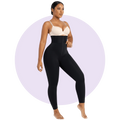
SlimCurve – high-waisted flat belly shapewear and butt lifter
Perfect for light support during pregnancy or postpartum, this high-waisted shapewear offers a natural shape and comfortable support for the lower belly and back.

See SlimCurve – high-waisted flat belly shapewear and butt lifter →
11) Comparison table: Solutions to relieve your lower belly pain during and after pregnancy
To help you see more clearly, here is a comparison table of different approaches to manage pregnancy lower belly pain and postpartum discomforts. Each solution has its specifics, advantages, and limitations. The ideal is often to combine several approaches for optimal relief, depending on your personal needs and the advice of your healthcare professional. Remember that your well-being is a priority.
| Solution | Main action | Immediate effect | Progressive effect | For whom? | Main limitation |
|---|---|---|---|---|---|
| Rest and relaxation | Reduces muscle and ligament tension, promotes recovery. | ✔ | ✕ | All pregnant and postpartum women. | Does not treat the underlying cause of more complex pains. |
| Gentle heat | Relaxes muscles, relieves cramps and pulling sensations. | ✔ | ✕ | Pregnant women (with precautions) and postpartum. | Should not be excessive; not suitable for all situations (e.g., bleeding). |
| Hydration and nutrition | Prevents constipation and gas, essential for proper body function. | ✕ | ✔ | All pregnant and postpartum women. | Indirect effect on ligament pain; requires consistency. |
| Gentle exercises (yoga, walking) | Improves posture, strengthens support muscles, reduces tension. | ✕ | ✔ | Pregnant women without contraindications and postpartum (after rehabilitation). | Must be properly fitted and medically approved; does not relieve acute pain. |
| Pregnancy support belt | Relieves belly weight, reduces pressure on the back and ligaments. | ✔ | ✕ | Pregnant women in the 2nd and 3rd trimesters. | Must fit well to avoid discomfort; does not replace muscle strengthening. |
| Postpartum shaping bodysuit/briefs | Provides gentle abdominal support, improves posture and psychological comfort. | ✔ | ✕ | Postpartum women. | Should not be too tight; does not retrain abdominal muscles. |
FAQ: Your questions about pregnancy and lower abdominal pain
Clear answers to help you better understand and manage pregnancy pain.
When should you worry about lower abdominal pain during pregnancy?
You should be concerned and seek immediate medical advice if the pain is intense, persistent, worsening, or accompanied by vaginal bleeding, fever, chills, abnormal discharge, regular and painful contractions (before 37 weeks), dizziness, or pain when urinating. These signs may indicate a complication and require urgent medical attention.
Is it normal to have period cramps early in pregnancy?
Yes, it is very common to feel period-like cramps early in pregnancy. They are often due to the embryo implanting in the uterus, the stretching of the uterus as it begins to grow, or hormonal changes. As long as they are mild, intermittent, and not accompanied by heavy bleeding, they are generally harmless and part of the normal pregnancy process. However, when in doubt, a consultation is always best.
How to naturally relieve pulling sensations in the lower abdomen during pregnancy?
To naturally relieve pulling sensations, prioritize rest (lying on your left side), apply a warm compress to the painful area (never hot!), stay well hydrated, and adopt a fiber-rich diet to avoid constipation. Gentle stretches and prenatal exercises like yoga or walking can also make a big difference. Always listen to your body and never push yourself.
Is a support belt recommended during pregnancy?
A support girdle specifically designed for pregnancy can be recommended to relieve lower back pain and pressure caused by the belly. It offers external support without compressing the baby. It is essential to choose a model suited to your size and stage of pregnancy and not to wear it excessively. Always ask your doctor or midwife before using one.
When can I use shaping panties after childbirth?
You can generally start using postpartum shaping panties a few days after birth, once you feel comfortable and after approval from your healthcare professional. They provide gentle support and psychological comfort by helping to maintain the abdominal belt. Choose a non-compressive, breathable model, preferably high-waisted for optimal support. It does not replace perineal and abdominal rehabilitation but complements it.
Pregnancy and lower belly pain: Listen to your body, act smartly, and live peacefully
Pregnancy lower belly pain is a reality for many women. What you learned today is that most of these pains are normal signs of a body working hard to create life. But you also know it is crucial to never underestimate unusual or intense pain and always consult a healthcare professional if in doubt. Your well-being and that of your baby are the top priority, and accurate information gives you the power to act wisely.
Whether through natural solutions, adapted physical activity, or targeted clothing support, you have ways to improve your daily comfort. Support products, like those offered by BESHAP, can be valuable allies to provide gentle and discreet support, helping you feel stronger and more confident at every stage of this extraordinary journey. Never forget that you are amazing, and taking care of yourself is the most beautiful gift you can give to your child and yourself.
Also to see on BESHAP:
Here are consistent BESHAP contents to deepen the subject.
- How to wear a postpartum girdle after childbirth | Beshap Guide
- Best shaping bodysuit for a flat belly: 2026 comparison & top models
- Best shaping panties for a flat belly: the real 2026 comparison
- Postpartum Girdle: Regain Your Figure After Baby
- How to choose the best postpartum girdle for a good recovery?
- Tighten belly skin without surgery: natural and shaping solutions


